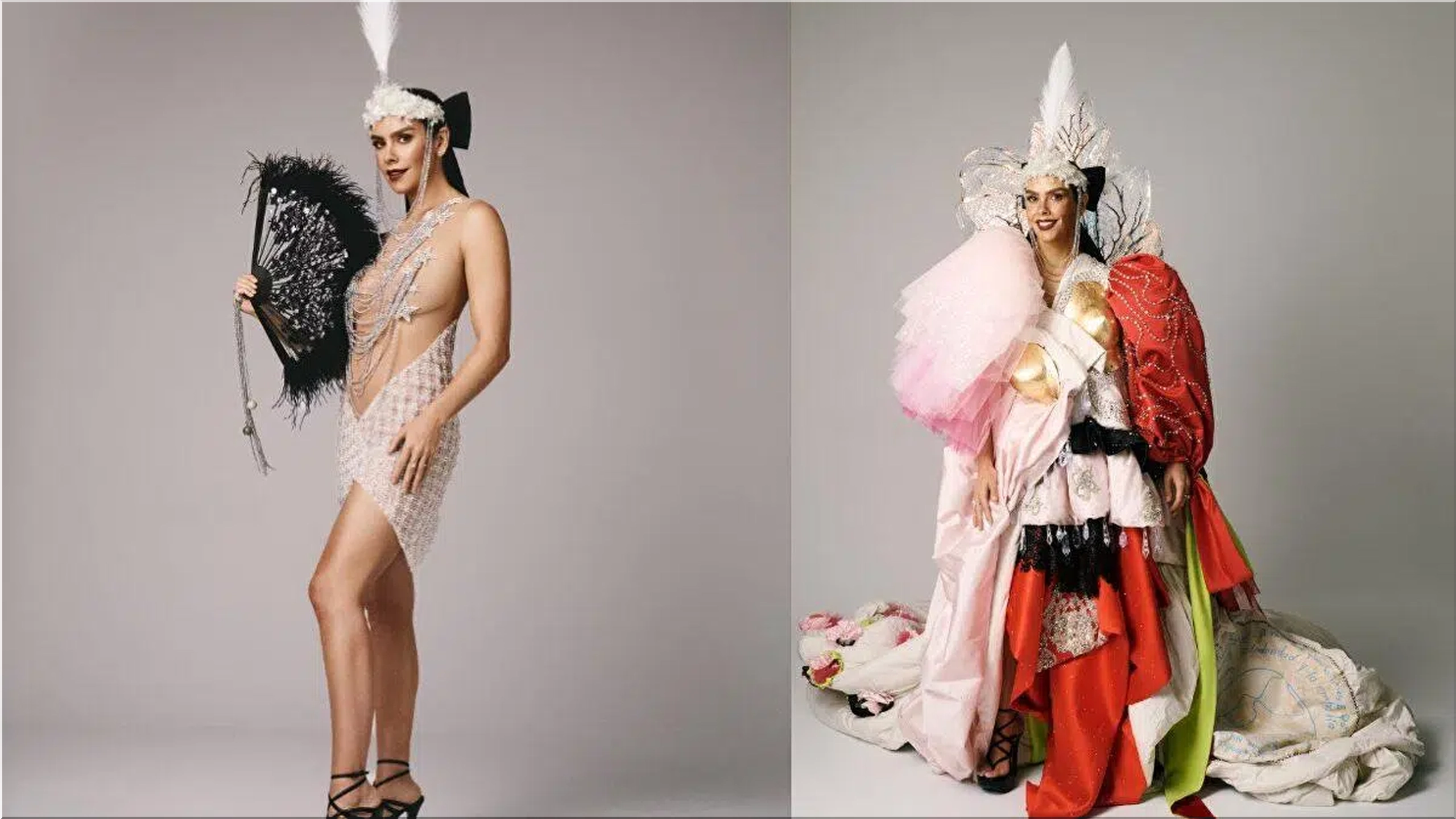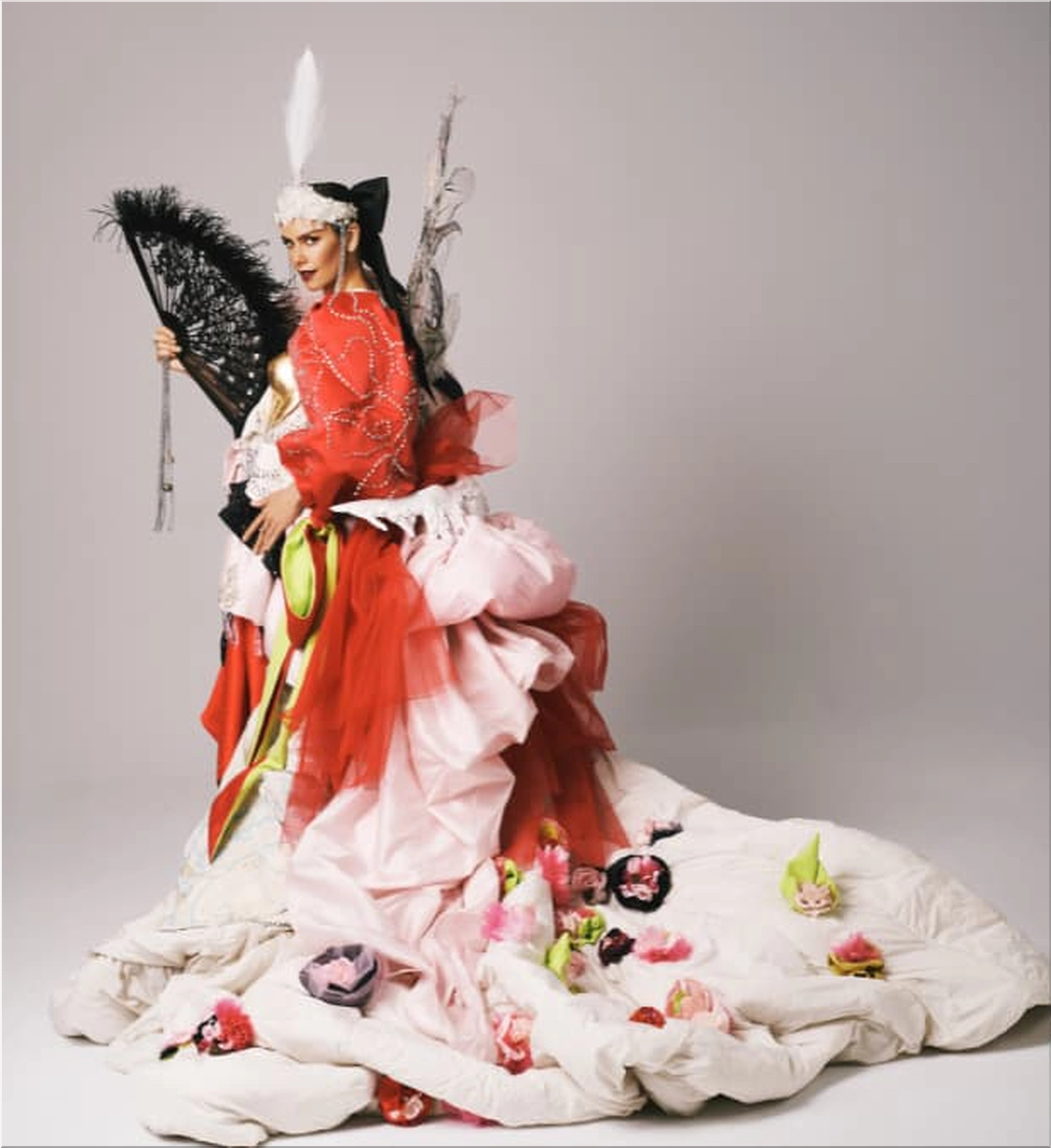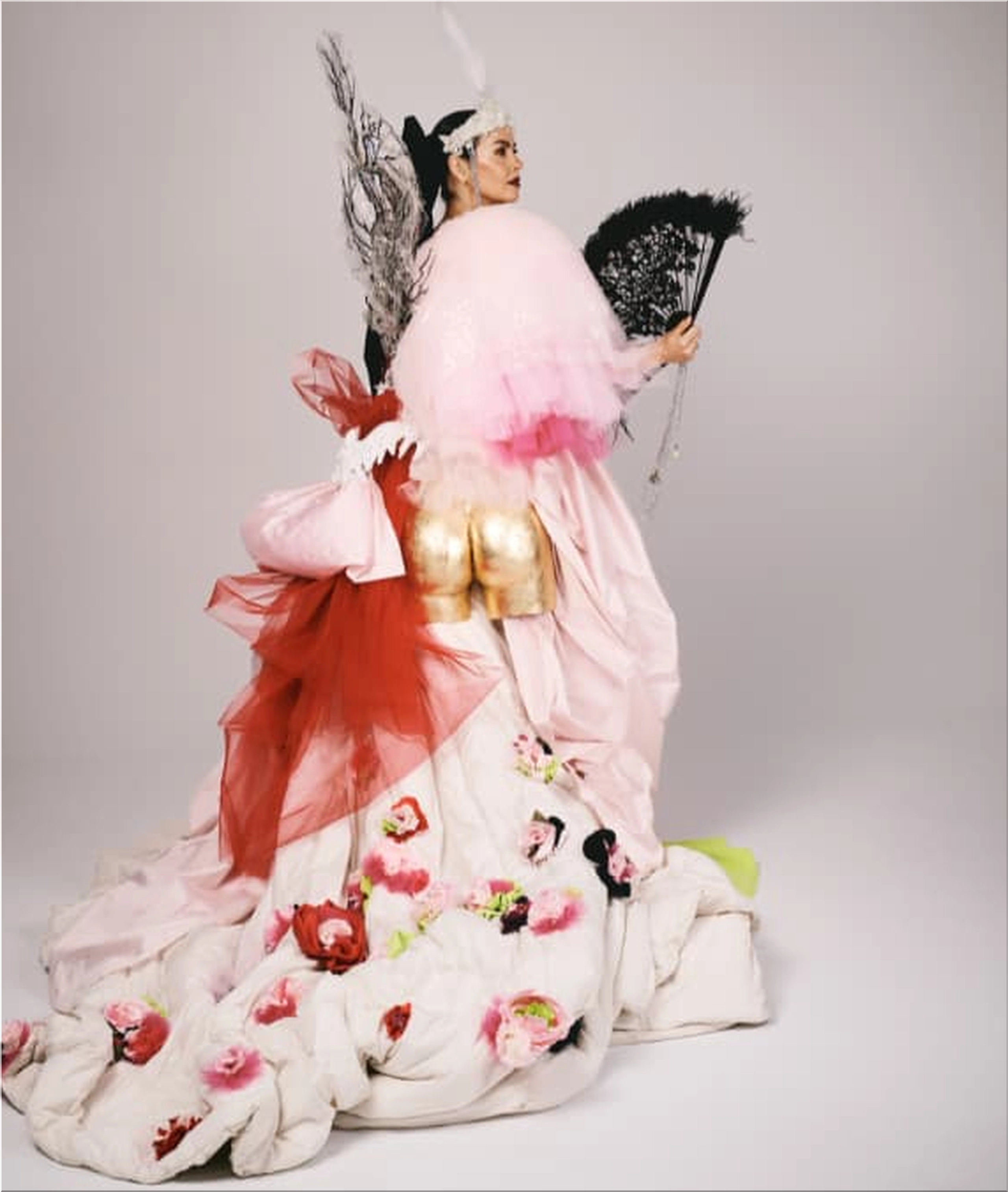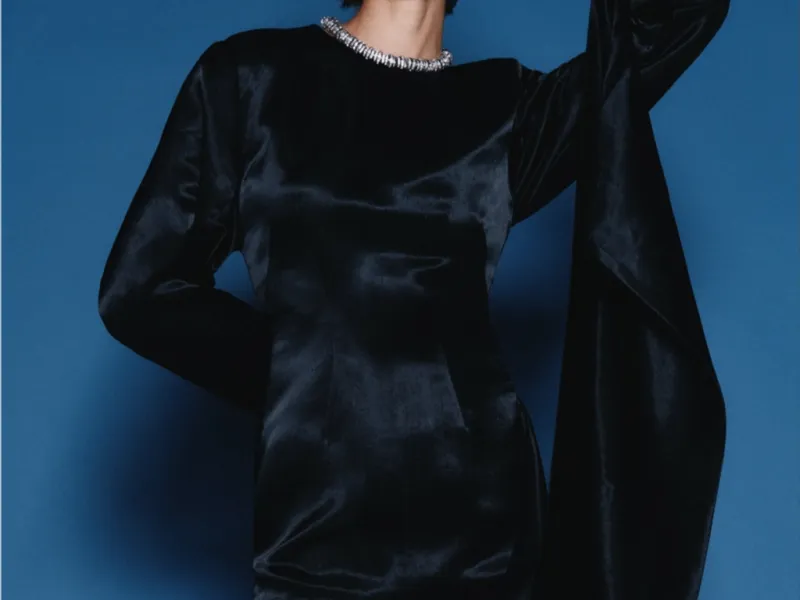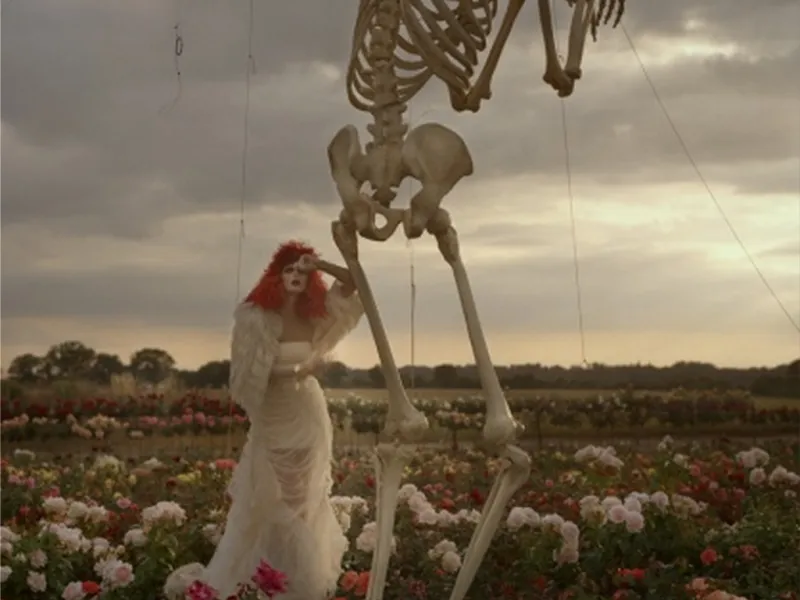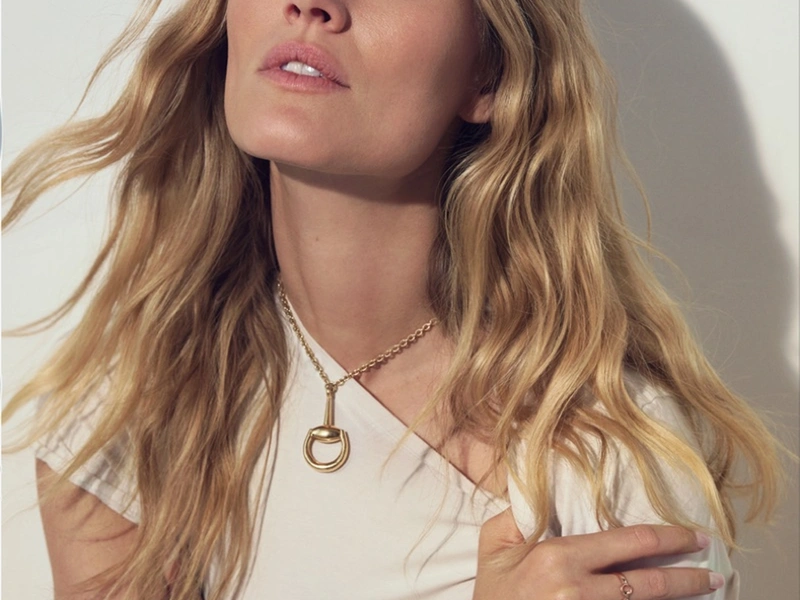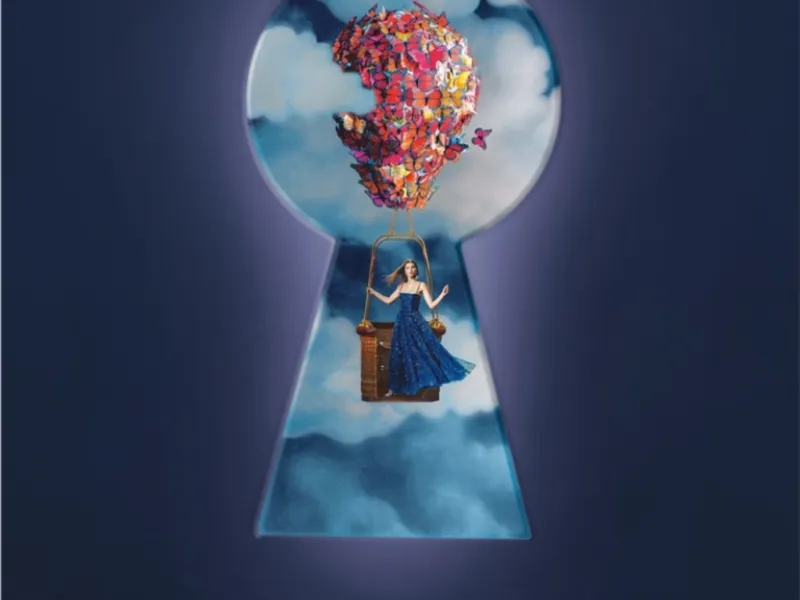
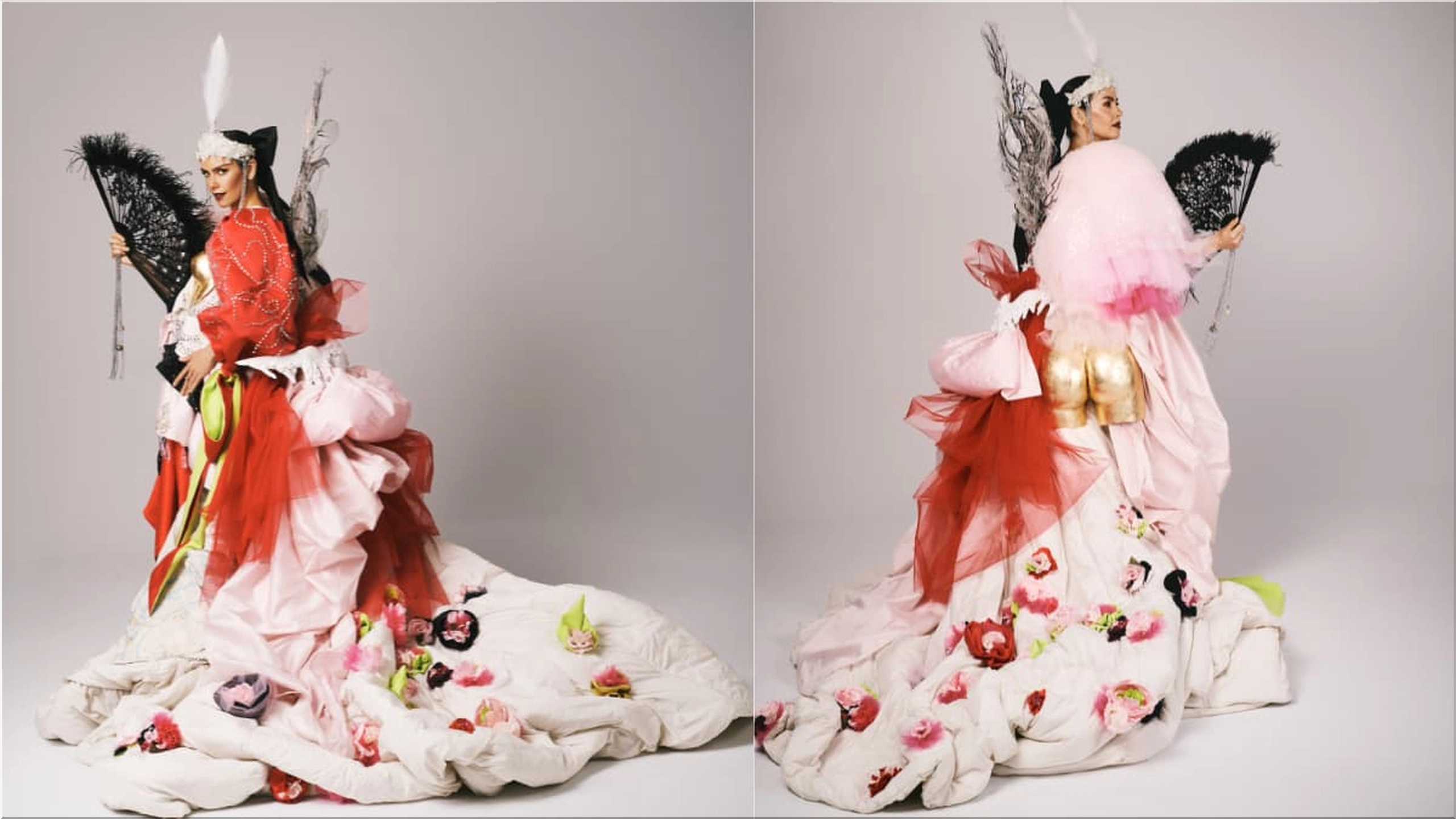
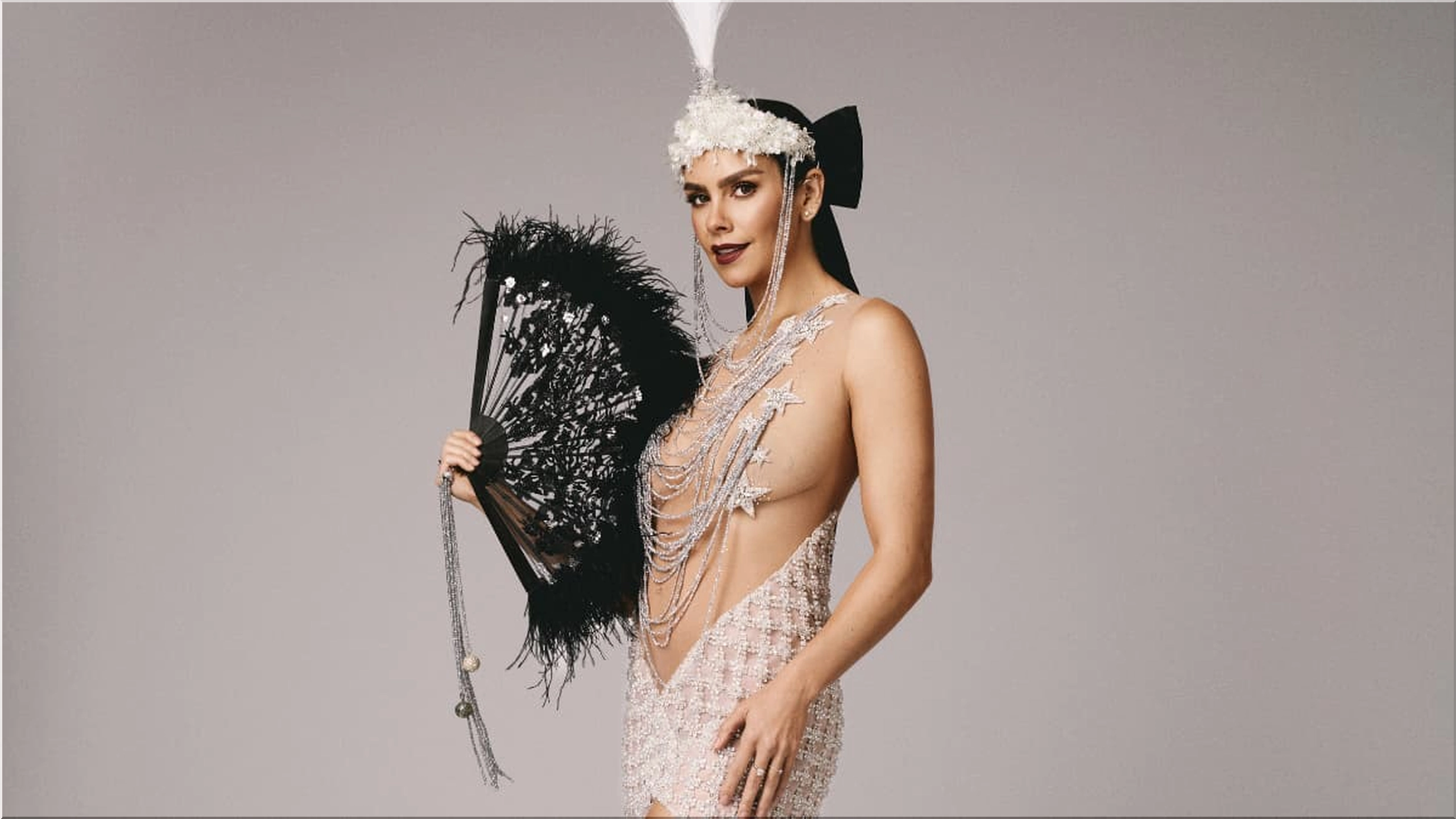
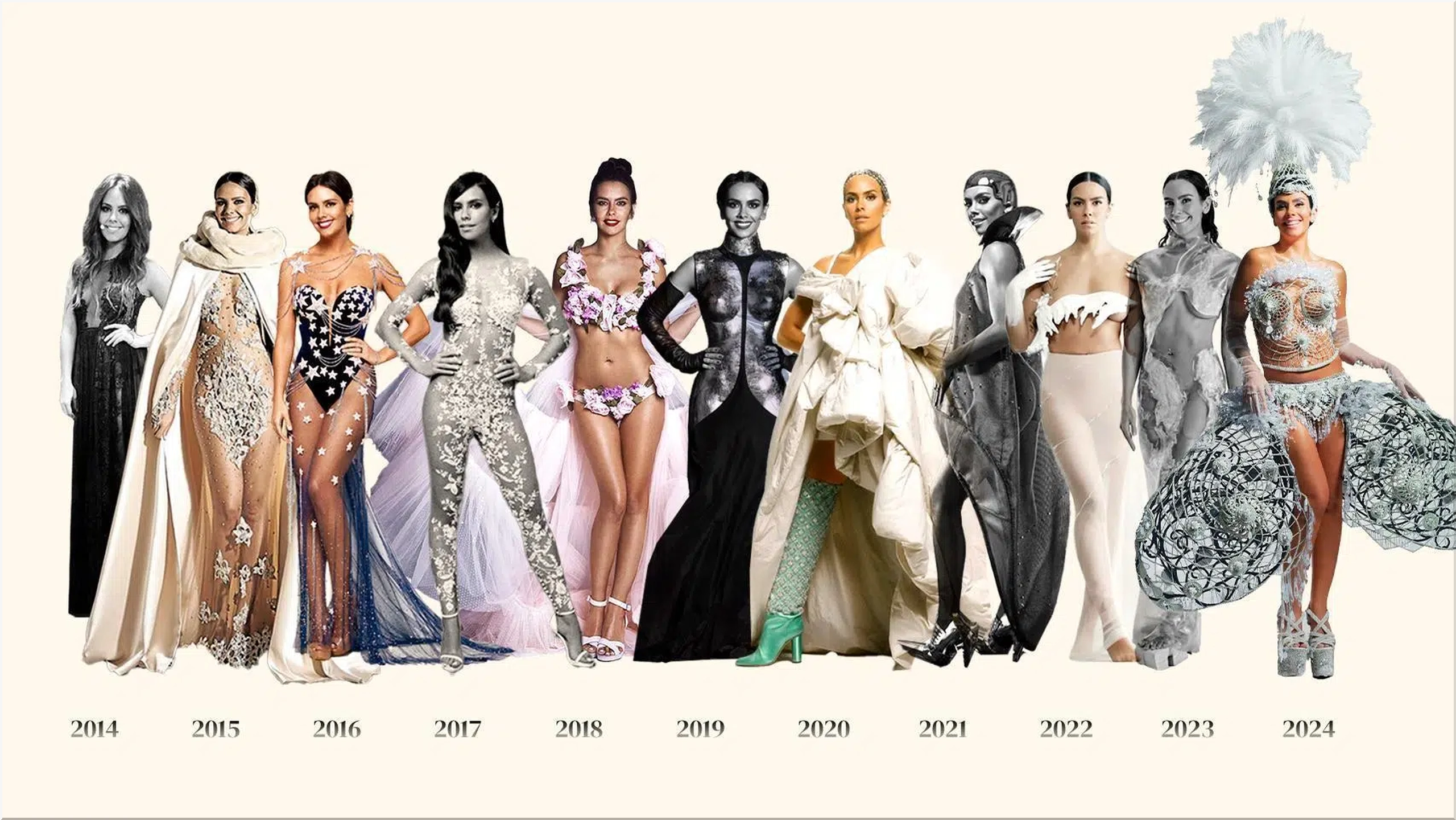
Cristina Pedroche turned Spain's most watched broadcast into a case study in sustainable fashion, brand signaling, and attention economics. The 2026 New Year's Eve bells delivered a recycled dress built from twelve years of prior looks. The move carried weight because it fused design with measurable reach, repeat visibility, and a clear message.
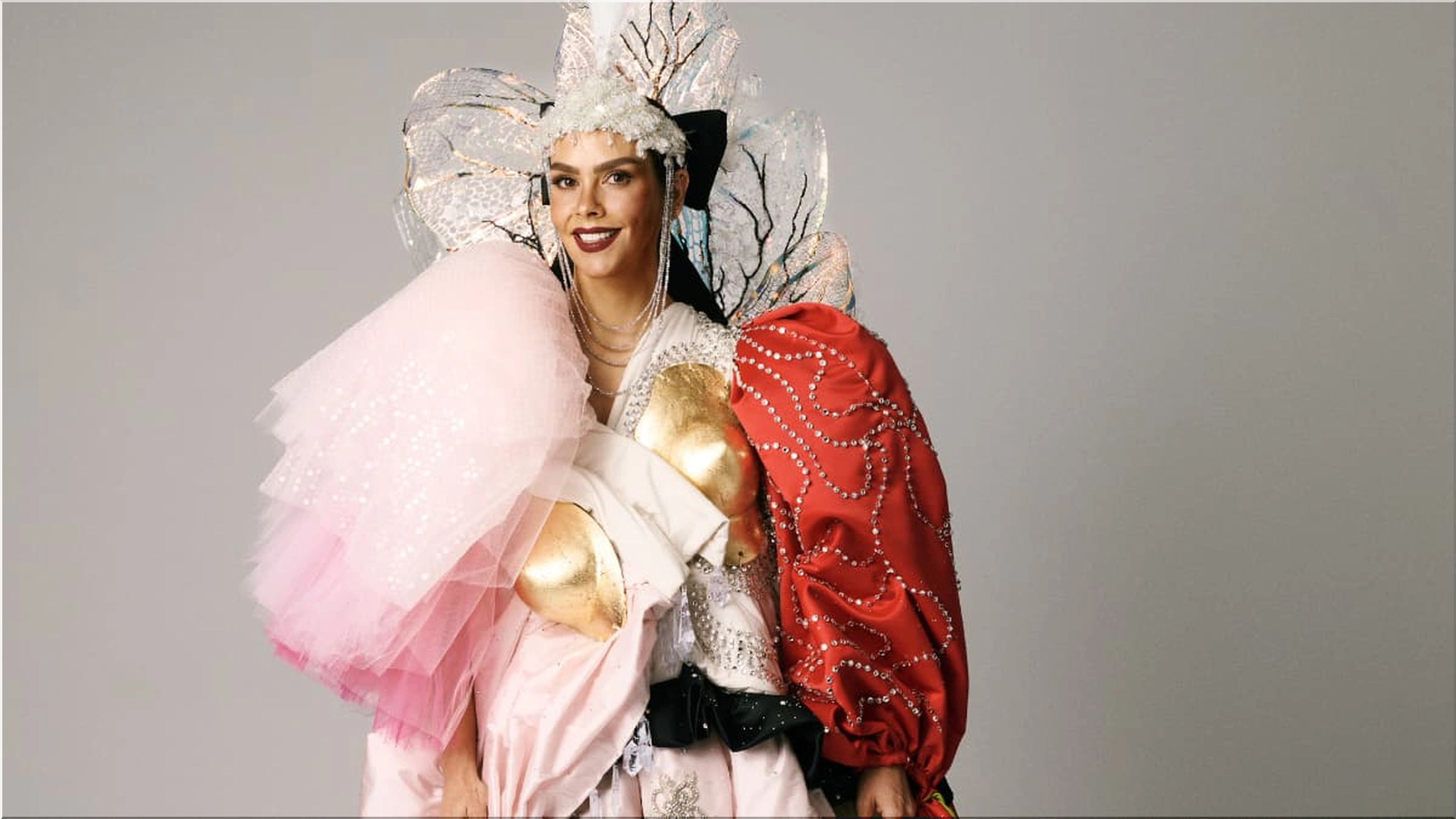
This article breaks down the mechanics. It looks at why the dress worked, how recycled fashion performs on mass TV, and what brands can extract from the playbook.
Why the 2026 Bells Matter for Brands
The New Year's Eve bells command peak national attention. Millions watch live. Social platforms amplify clips within minutes. That scale changes outcomes.
Pedroche used that reach to push recycling, upcycling, and circular design into the mainstream. She did it without slogans. She used structure and memory.
Key outcomes for brands and creators:
- Immediate reach across TV and social
- Repeat exposure through clips, reactions, and next-day coverage
- A clear narrative tied to prior years, not a one-off stunt
The format rewards clarity. The message stayed simple. Old materials. New form. One night. Massive impact.
The Dress as a System, Not a Look
The dress pulled components from earlier outfits. Fabrics, trims, and sculptural elements returned in a new configuration. That mattered.
Recycling often fails on aesthetics. This did not. The design stayed bold. The silhouette stayed sharp. The message stayed readable on camera.
Key design mechanics that drove impact:
- Modular construction allowed reuse without visual clutter
- Recognizable elements triggered memory across prior broadcasts
- High-contrast textures read clearly on wide TV shots
This was not nostalgia. It was asset reuse with intent.
Attention Economics: Why Recycling Wins on Live TV
Live TV punishes complexity. Viewers glance. They react fast. Pedroche's approach fit the medium.
Recycled fashion succeeds on live broadcasts when it meets three conditions:
- Instant recognition
- Simple explanation
- Emotional anchor
The dress checked all three. Viewers understood it in seconds. Commentators reinforced the message. Social media extended the life.
That matters because earned media compounds when the core idea stays clean.
Data Signals: Visibility Beats Novelty
Fashion stunts often chase shock. Shock fades fast. This approach leaned on continuity.
Twelve years of prior looks created a dataset. Each year added context. The 2026 dress activated that archive.
From a performance lens, recycled design delivered:
- Higher recall than single-year outfits
- Stronger sentiment tied to meaning, not spectacle
- Broader demographic engagement, including viewers outside fashion circles
Brands should take note. Visibility scales when meaning accumulates.
Sustainability Without Preaching
The dress avoided lectures. It avoided guilt. That choice mattered.
Audiences resist moral pressure during entertainment. They respond to proof. This dress showed reuse in action.
Effective sustainability signaling uses:
- Demonstration over explanation
- Familiar assets over abstract claims
- Design quality that matches premium expectations
The result felt confident. Viewers stayed engaged. Critics discussed execution, not intent.
The Role of Styling and Creative Direction
Styling drove coherence. Recycled inputs can feel scattered. Here, they did not.
The creative direction treated old materials as raw inputs, not constraints. That mindset shifts outcomes.
Best practices pulled from the execution:
- Start with a single narrative thread
- Edit aggressively to avoid visual noise
- Prioritize silhouette before symbolism
The dress read clean on camera. That clarity protected the message.
Brand Alignment and Cause Visibility
The collaboration tied into cancer awareness through the Spanish Association Against Cancer. The alignment stayed respectful.
Cause-driven design works when the signal matches the scale. This did.
- National broadcast matched national relevance
- Visual reuse mirrored long-term support
- Messaging stayed human and restrained
The result avoided backlash. It built trust.
What Marketers Should Learn
This was a marketing win without ad spend. It relied on timing, structure, and restraint.
Actionable takeaways:
- Reuse high-equity assets instead of chasing constant novelty
- Design for the medium, not the mood board
- Anchor sustainability claims in visible proof
- Let audiences connect dots instead of forcing conclusions
The approach scales across categories. Fashion led. Other sectors can follow.
Definitions for Quick Context
- Upcycling: Reusing existing materials to create higher-value products
- Circular design: Systems that reduce waste through reuse and regeneration
- Earned media: Exposure gained through coverage, not paid placement
What Now for Brands and Creators
Recycled visibility works when it respects audience intelligence. It works when design stays strong. It works when timing aligns with attention peaks.
Pedroche's 2026 dress delivered a repeatable framework:
- Build assets over time
- Reintroduce them with purpose
- Let scale do the rest
That strategy outperforms shock. It outperforms noise. It holds up under scrutiny.
For brands chasing attention without fatigue, the lesson stays clear. Reuse beats reinvention when execution stays tight.