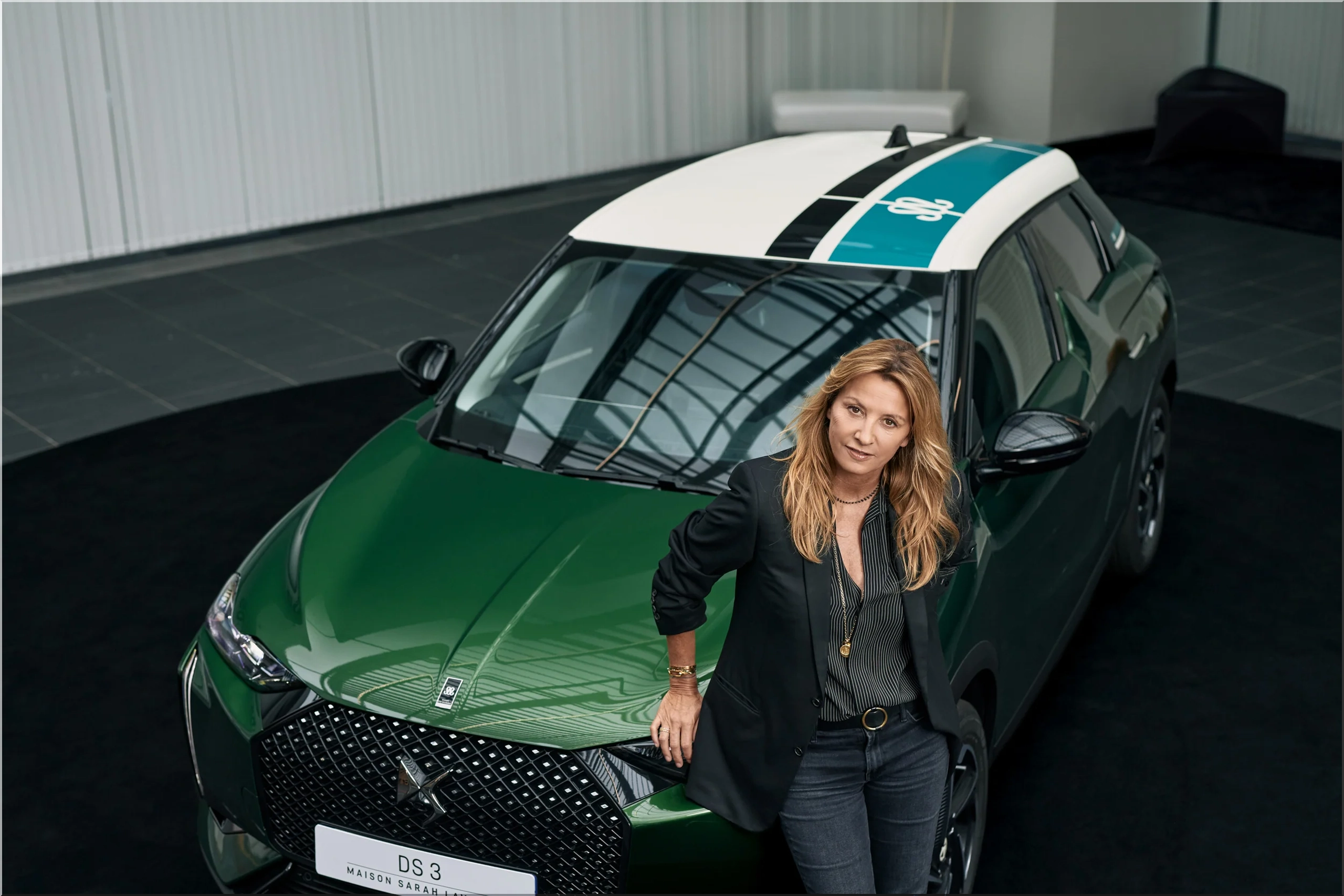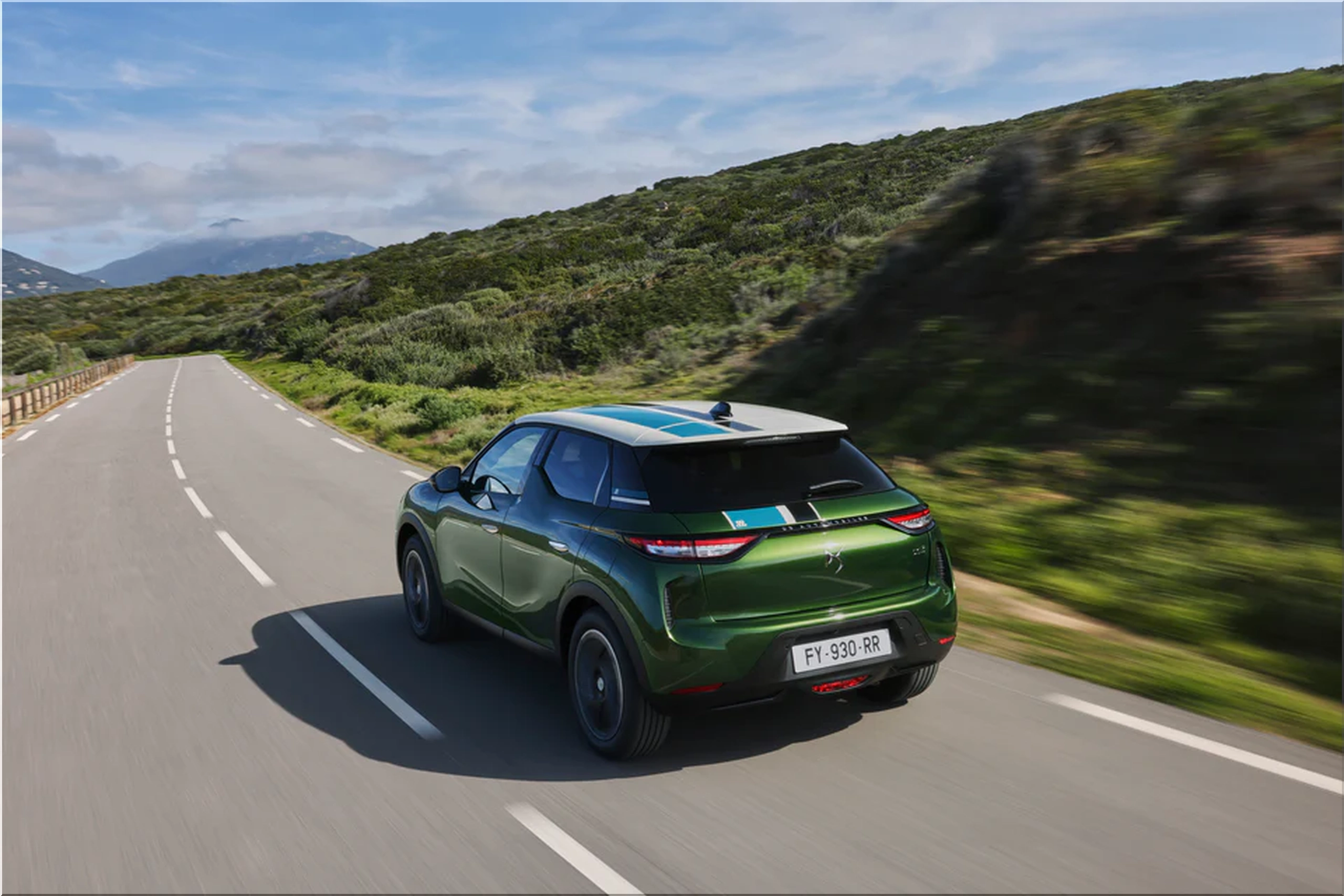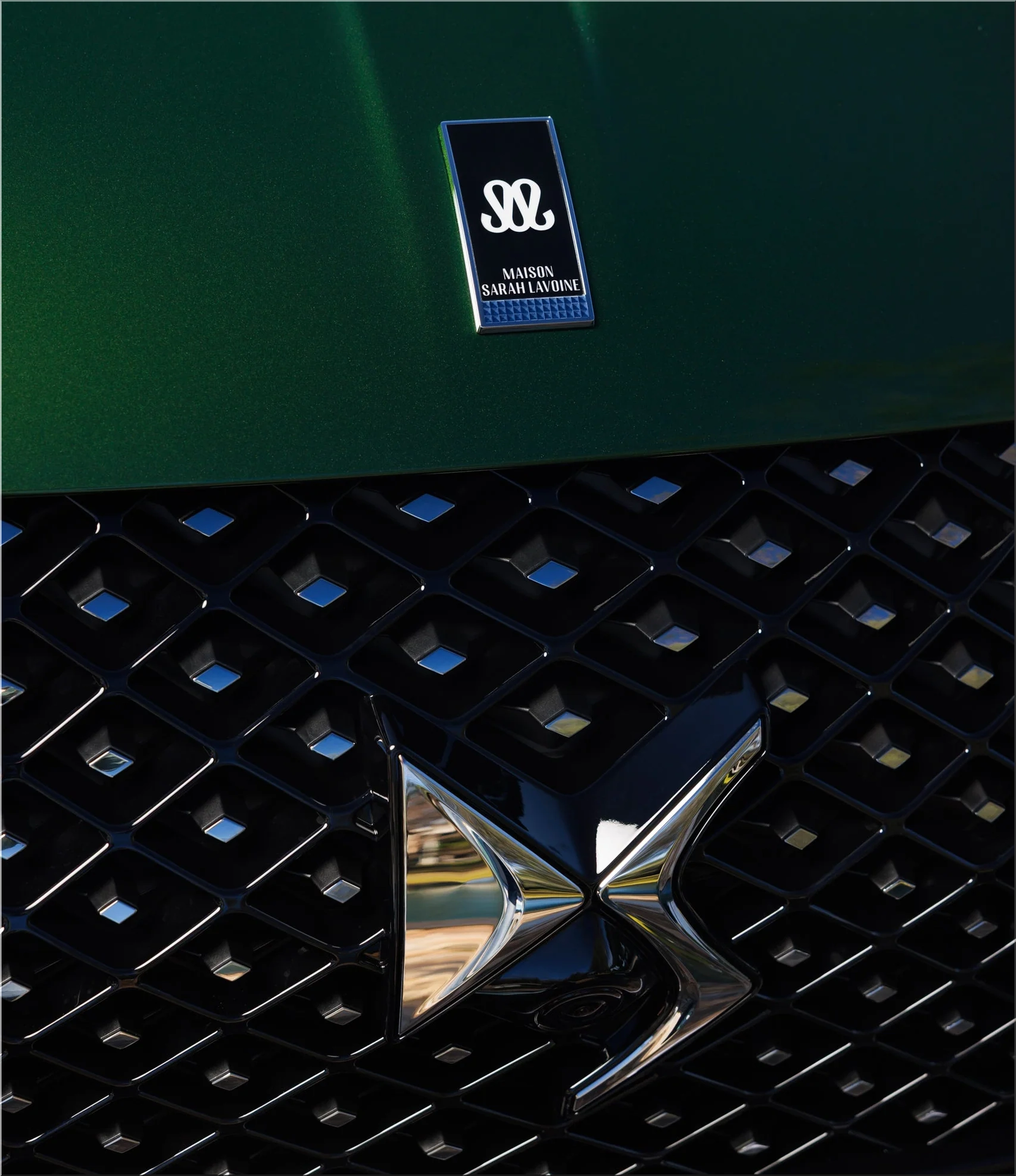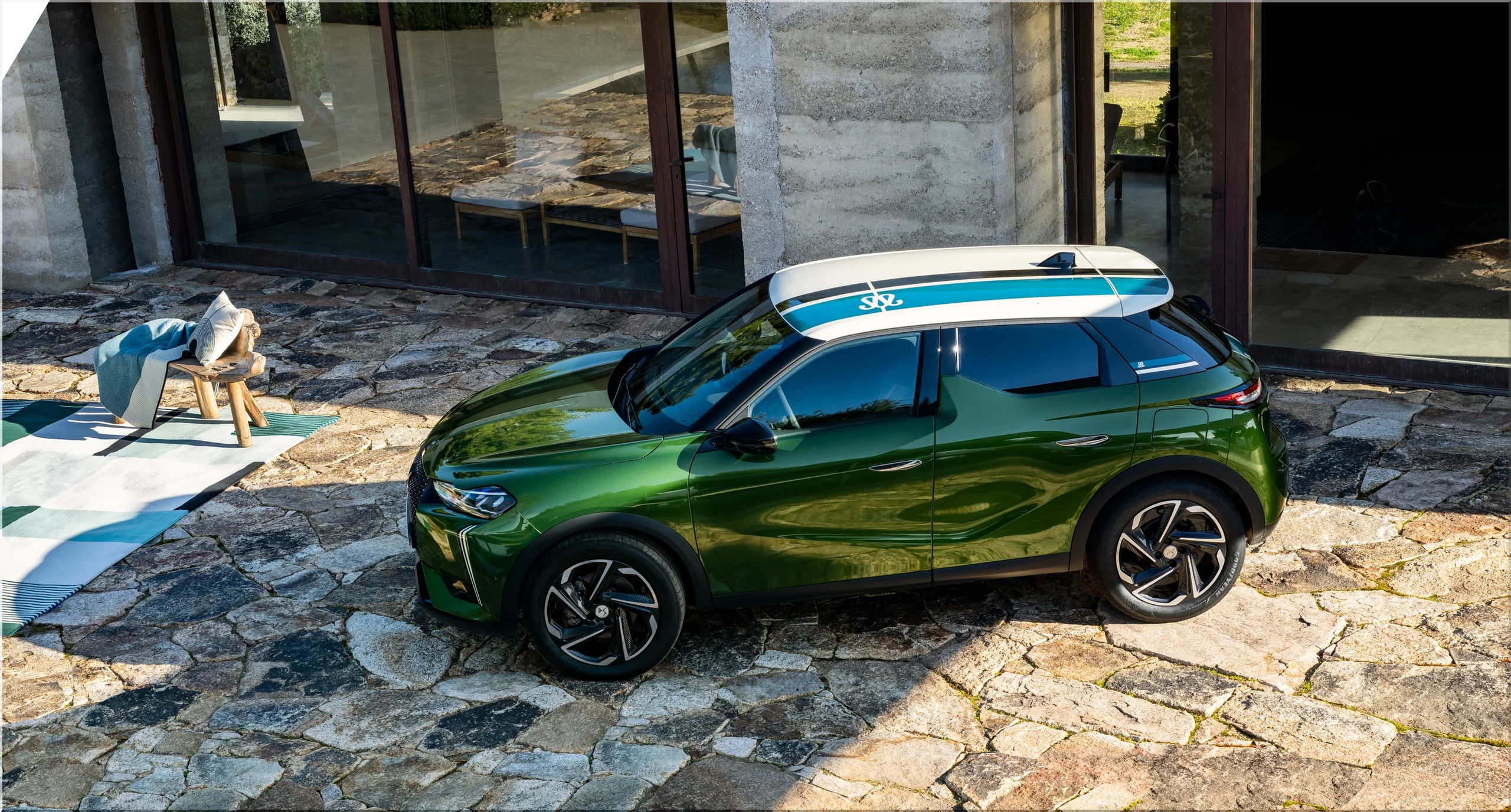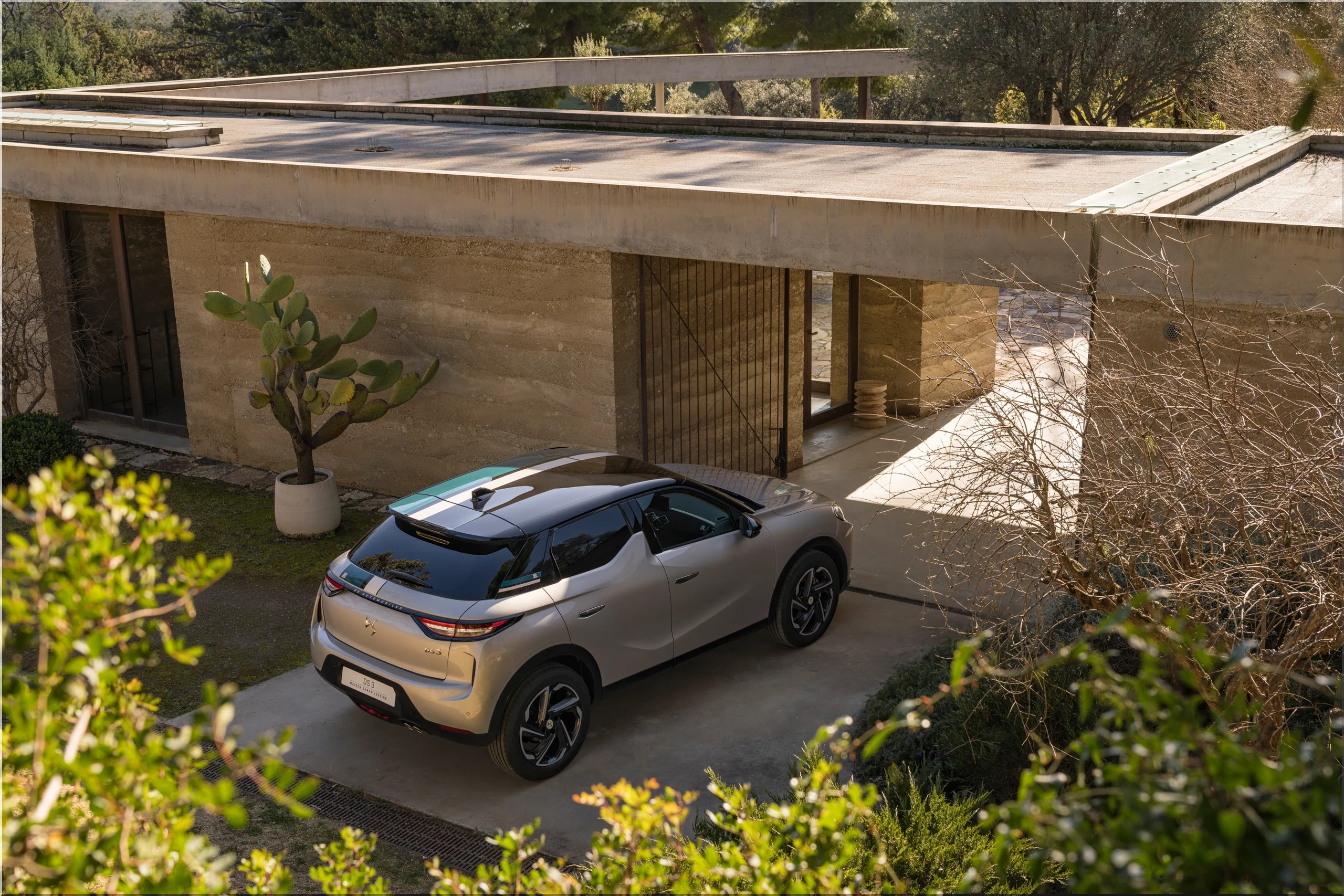
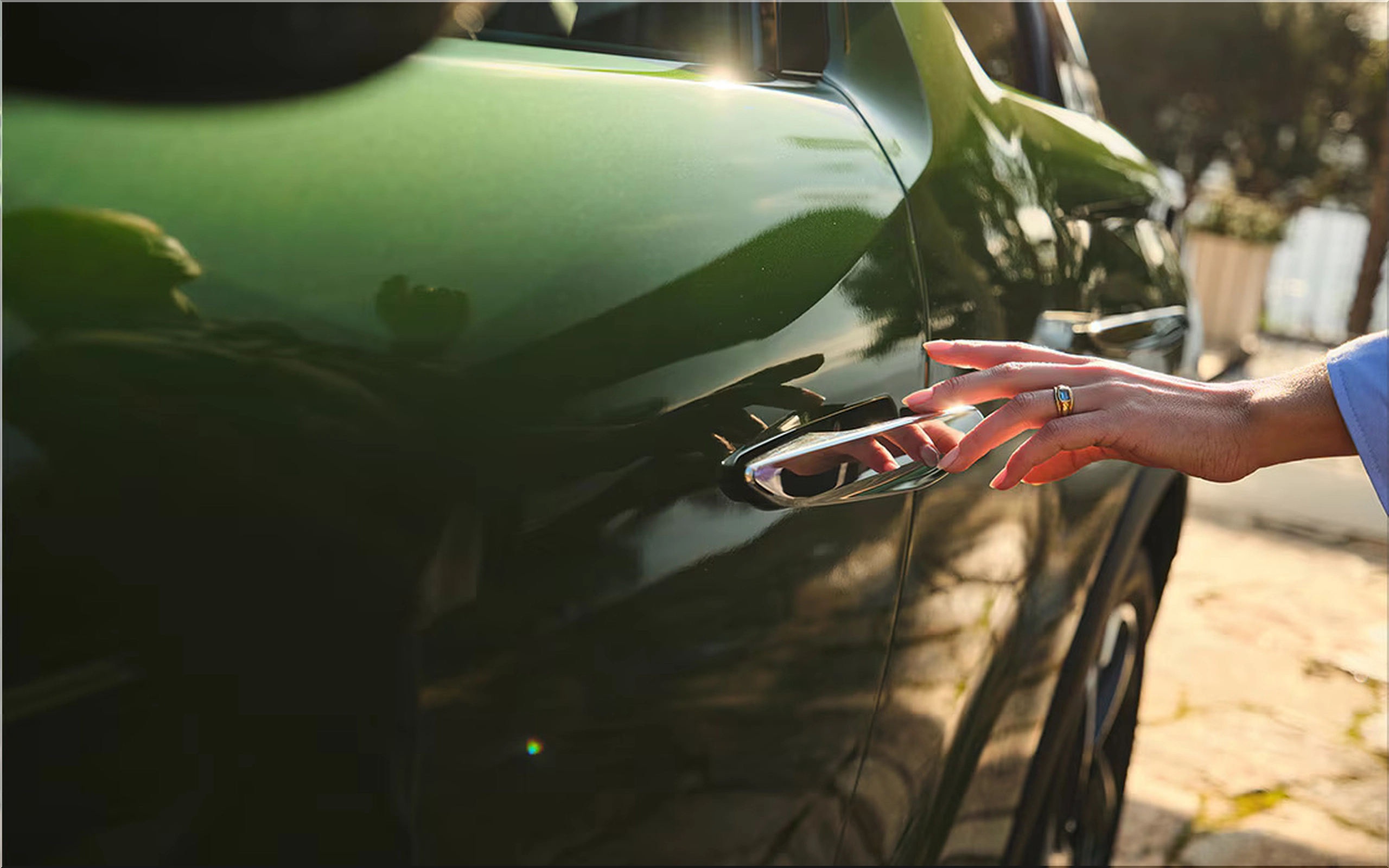
DS Automobiles did not treat the DS 3 Maison Sarah Lavoine as a sticker pack or a one-season publicity stunt. The brand took its compact SUV, paired it with the visual language of Maison Sarah Lavoine, and built a collection car with real hardware, real equipment, and two powertrain choices that suit daily use. Orders opened on April 1, 2026, and the car arrives with four exterior combinations, a richer cabin, and a connected-media play that fits the design brief.
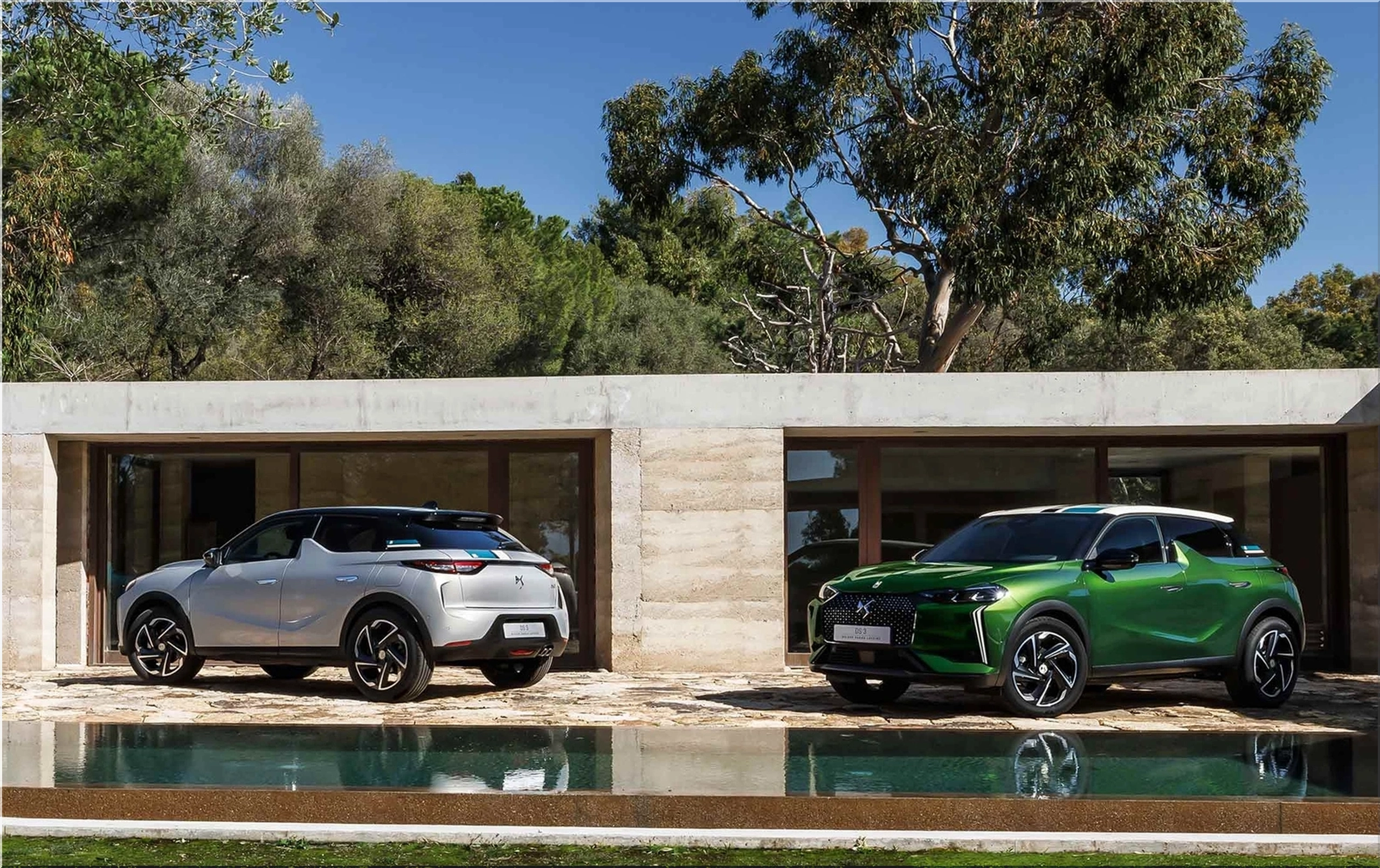
That matters because this collaboration works at three levels at once. It changes the car's look, sharpens the cabin mood, and keeps the buying choice simple with a 145 hp hybrid or a 156 hp E-TENSE electric version. In addition, DS adds strong standard equipment instead of asking buyers to chase options one by one.
What DS changed on the outside and inside
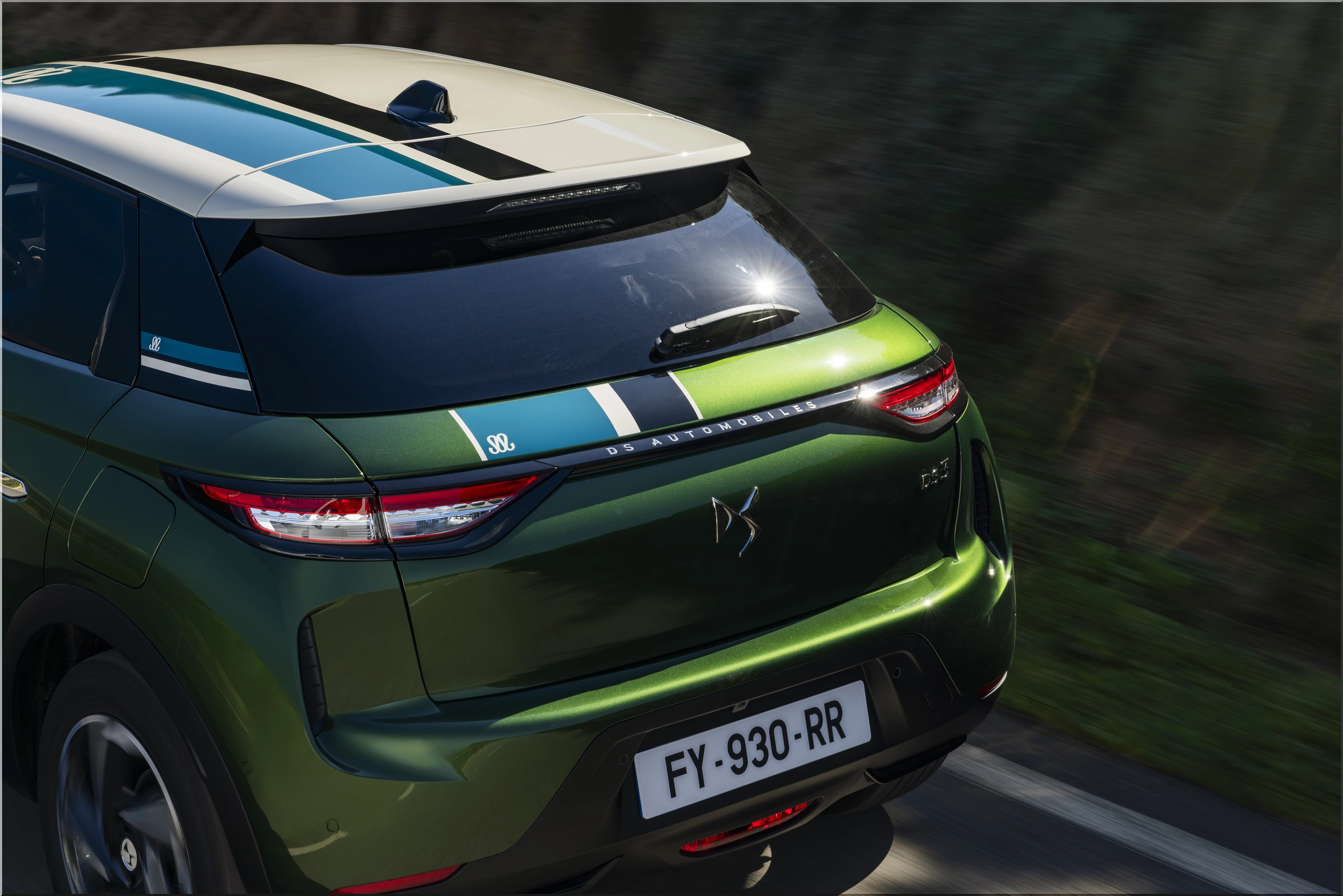
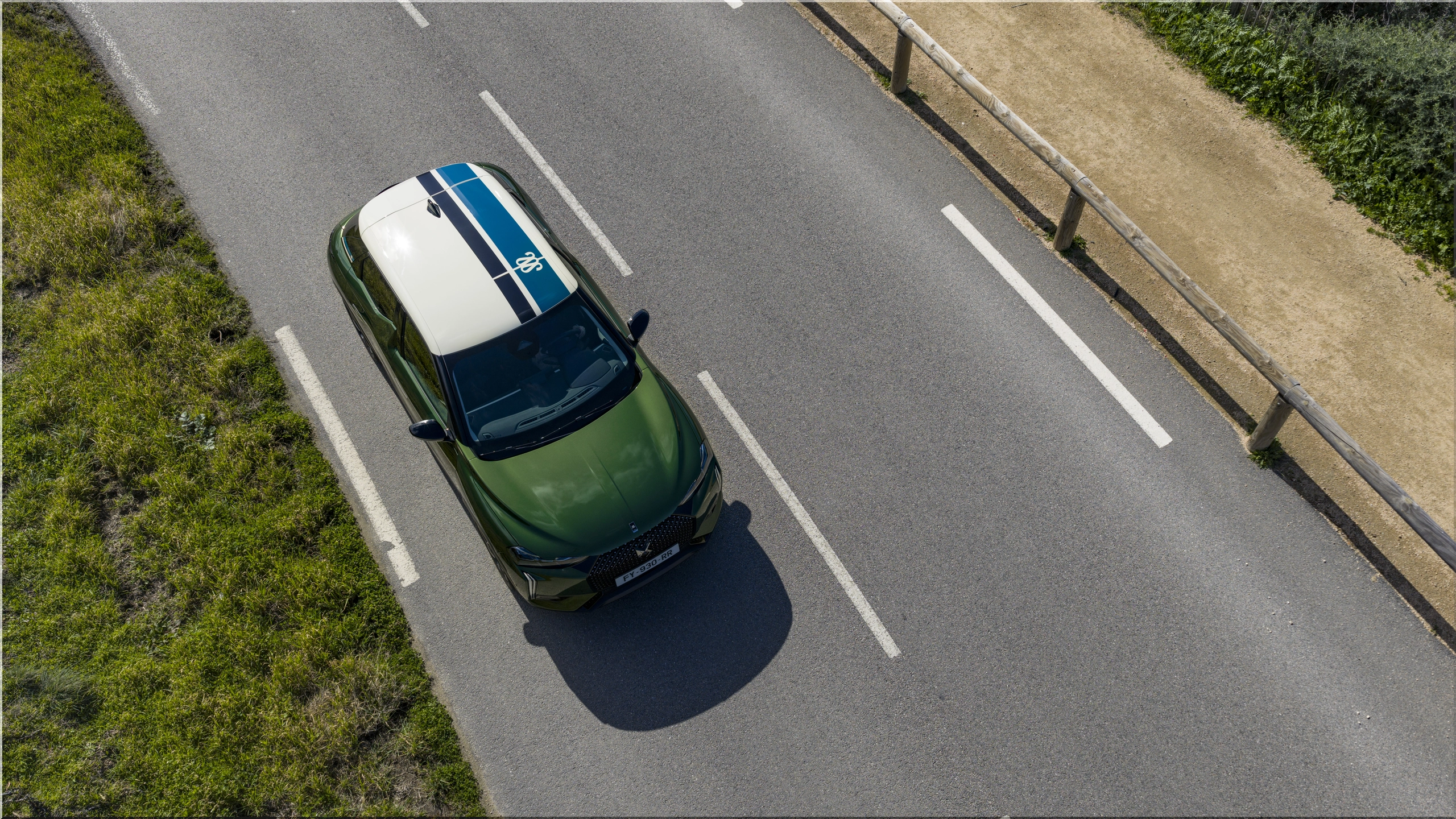
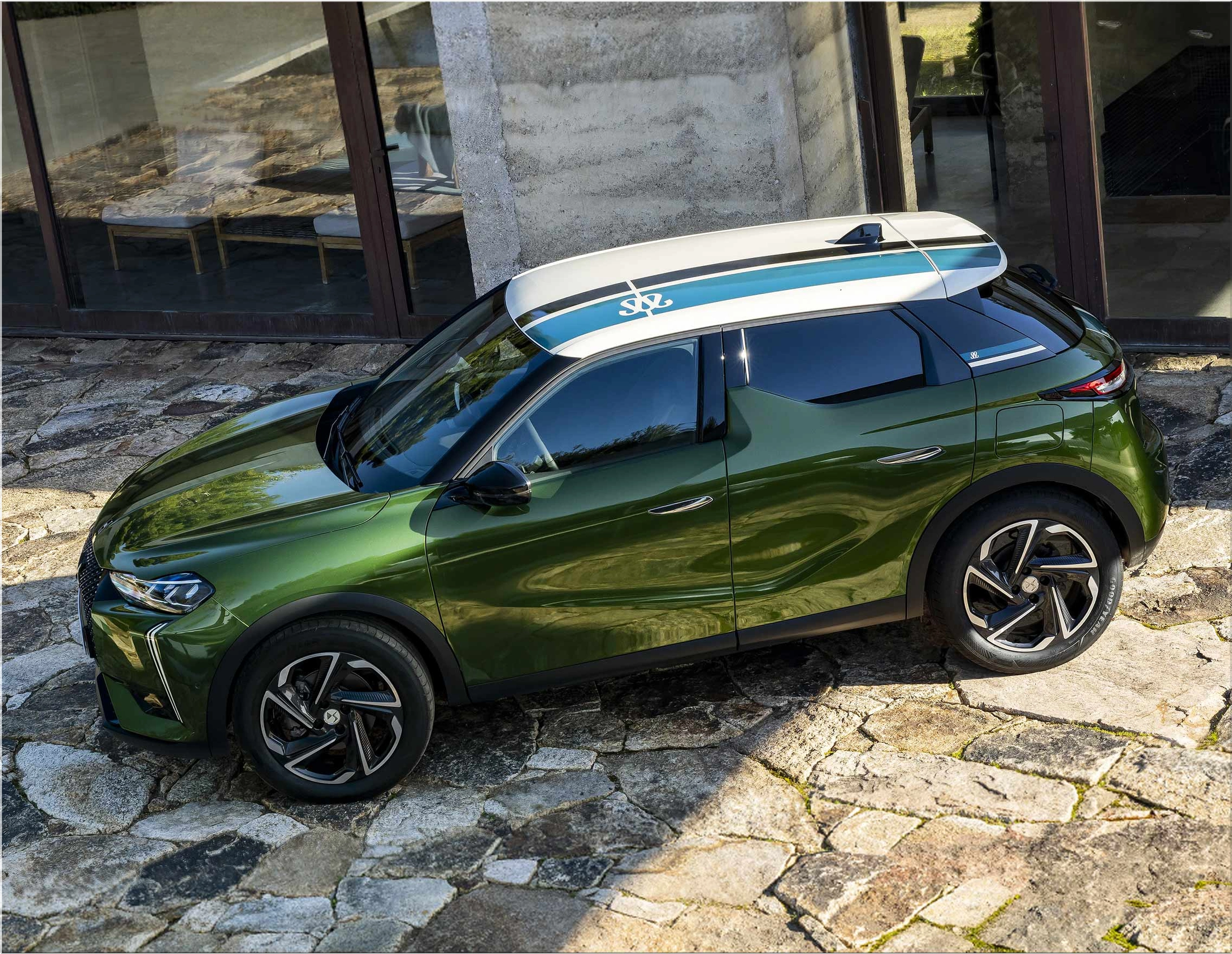
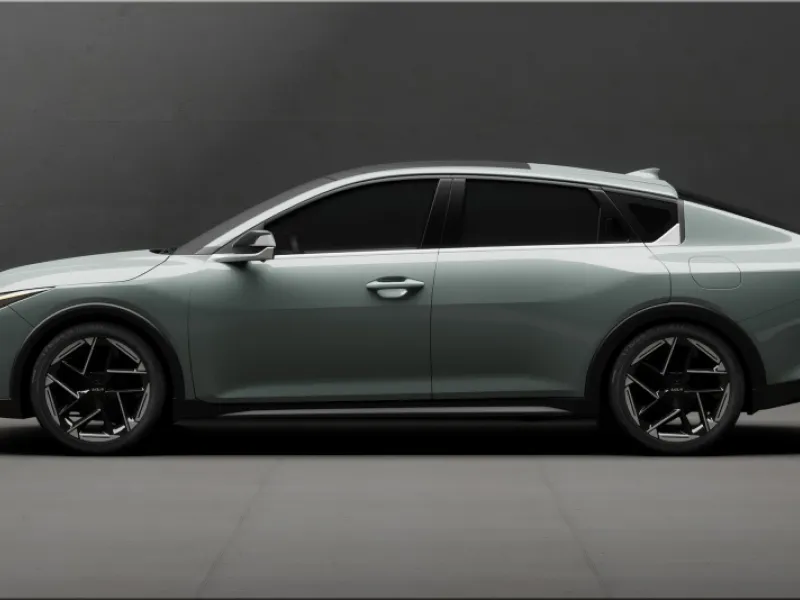
DS gave this collection its own visual identity from the roof down. The new Emerald Green paint leads the range, while Perla Nera Black, Lazurite Blue, and Crystal Pearl remain available. The first three pair with a Parthenon Cream roof, while Crystal Pearl switches to a Perla Nera Black roof.
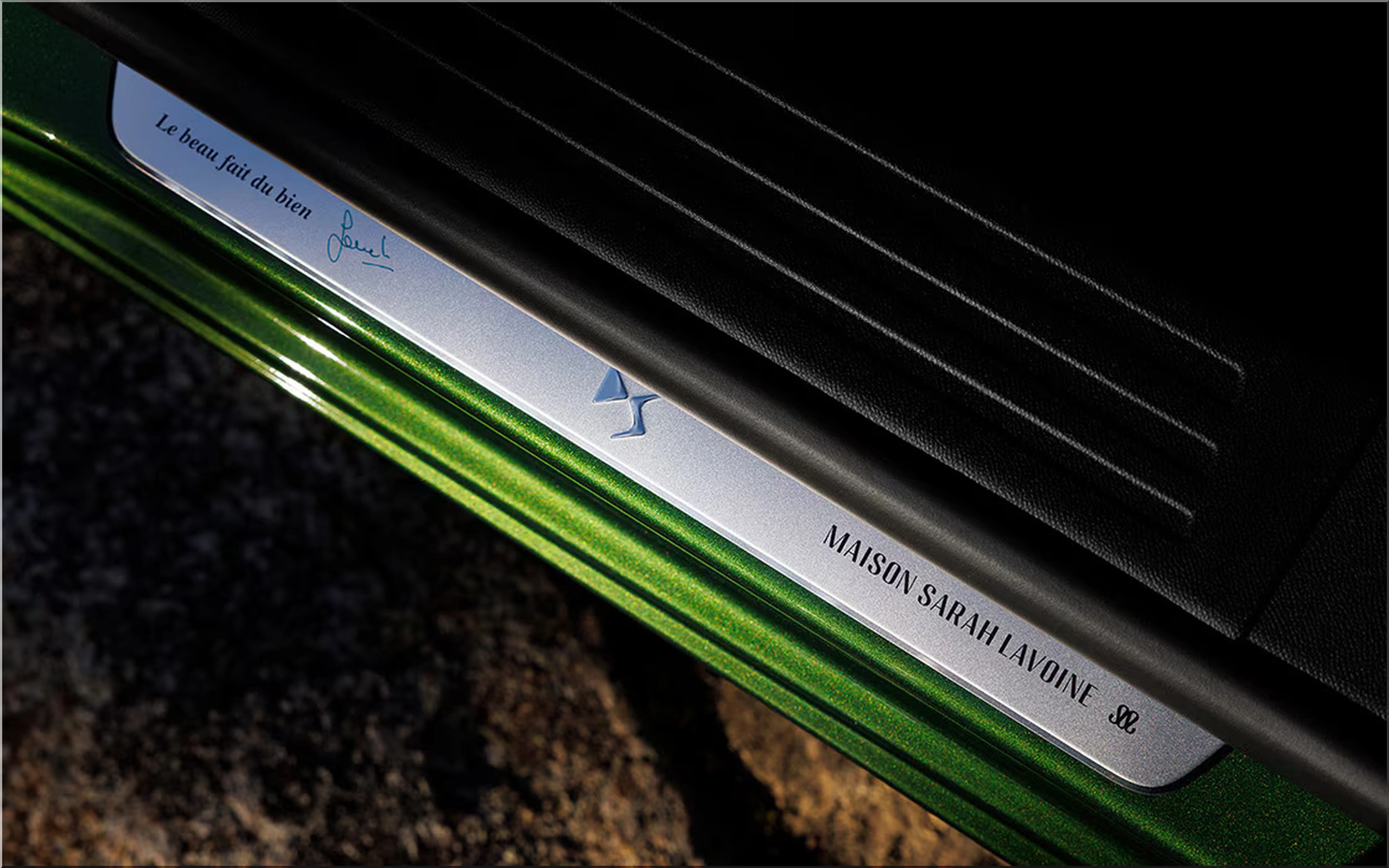
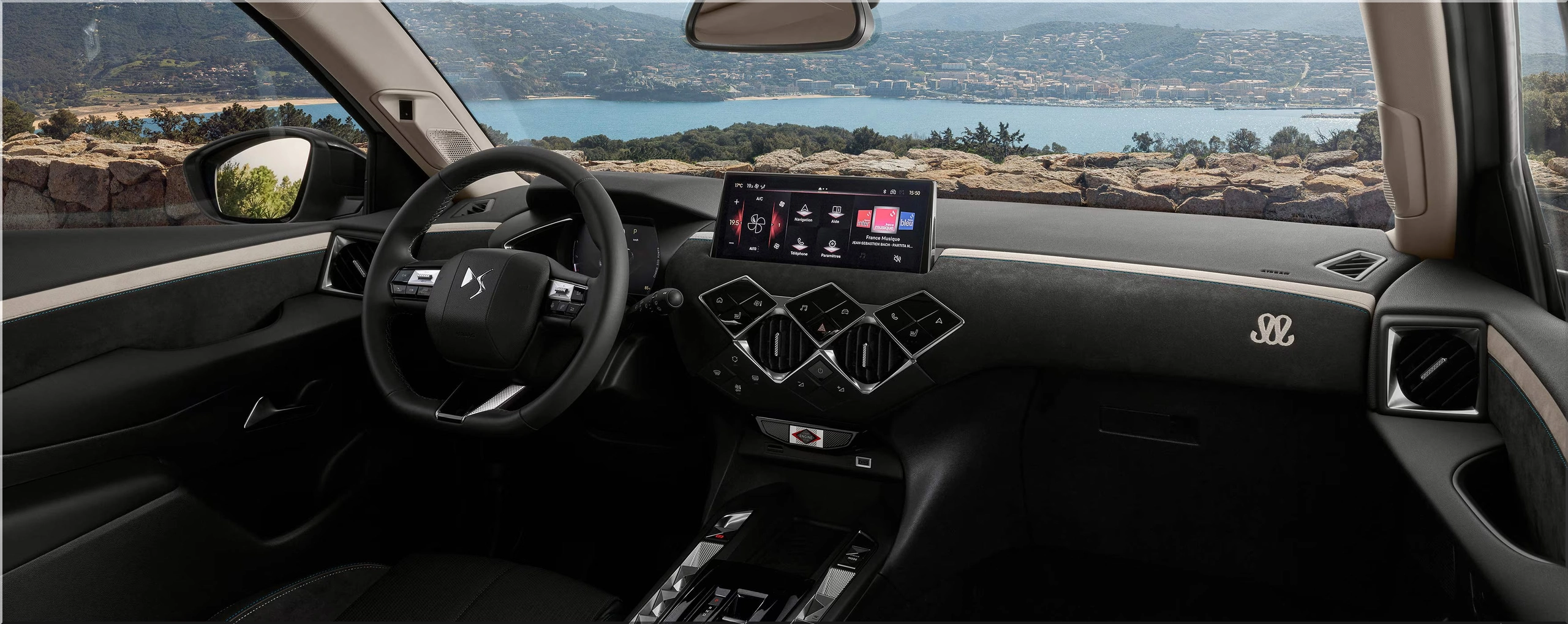
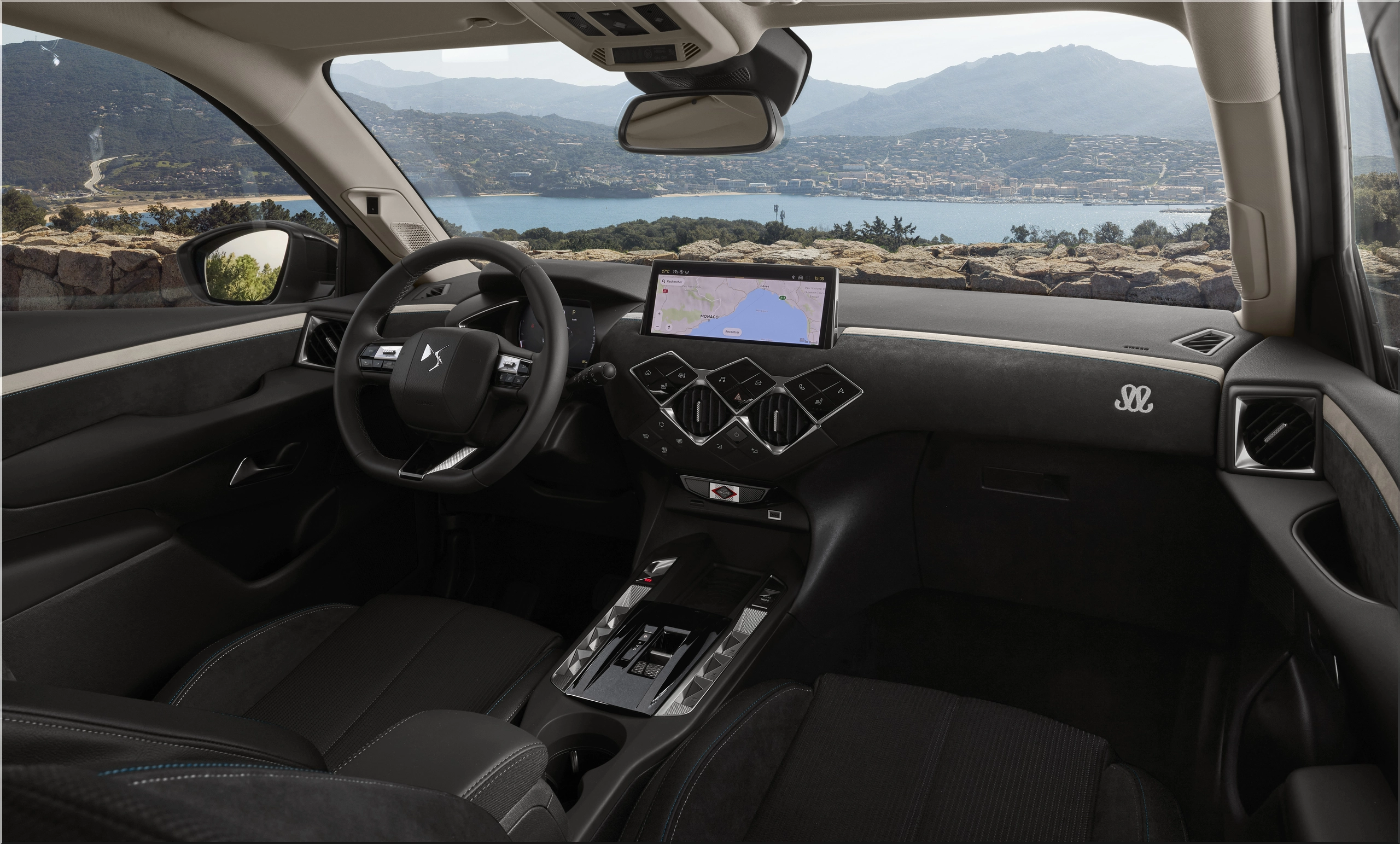
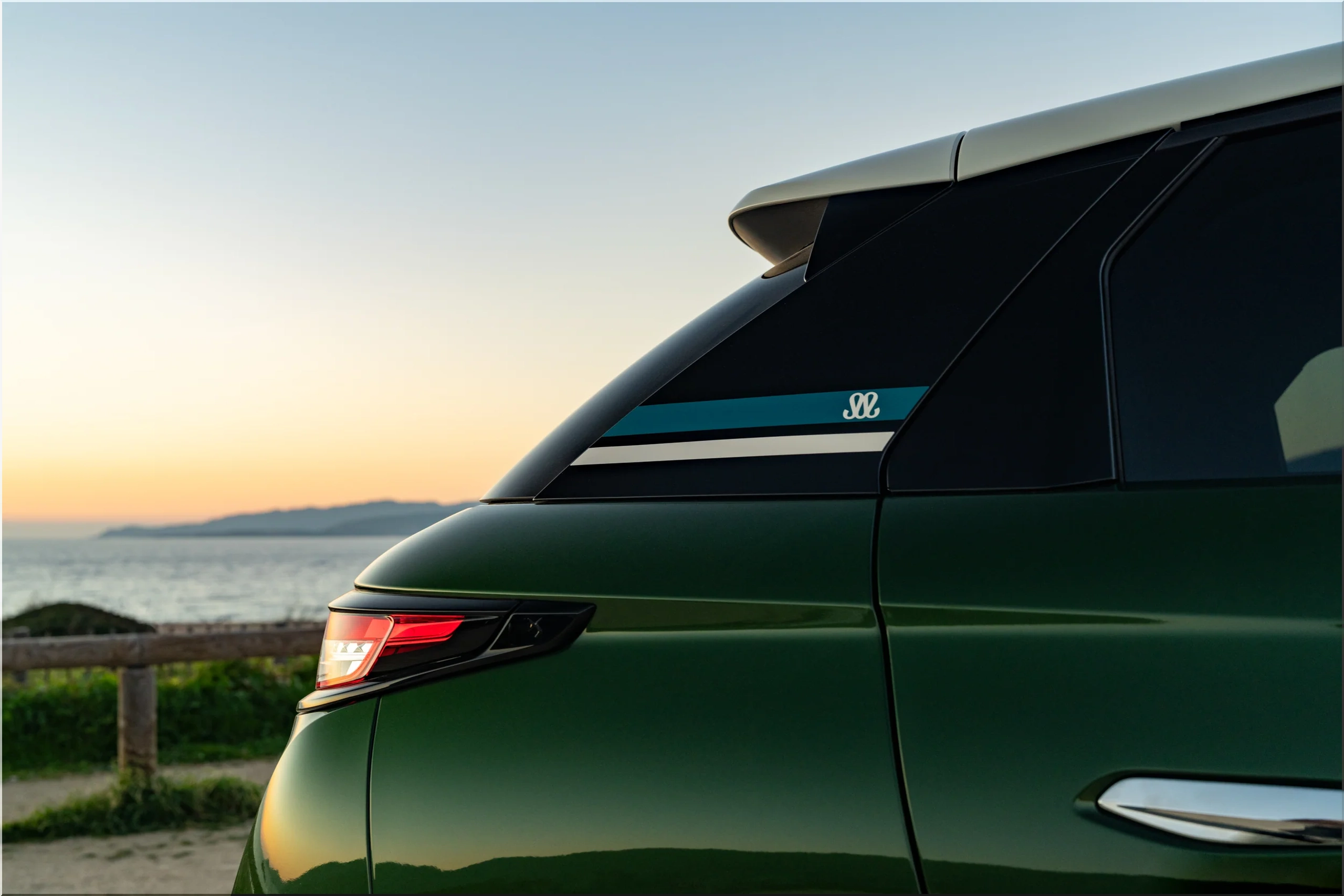
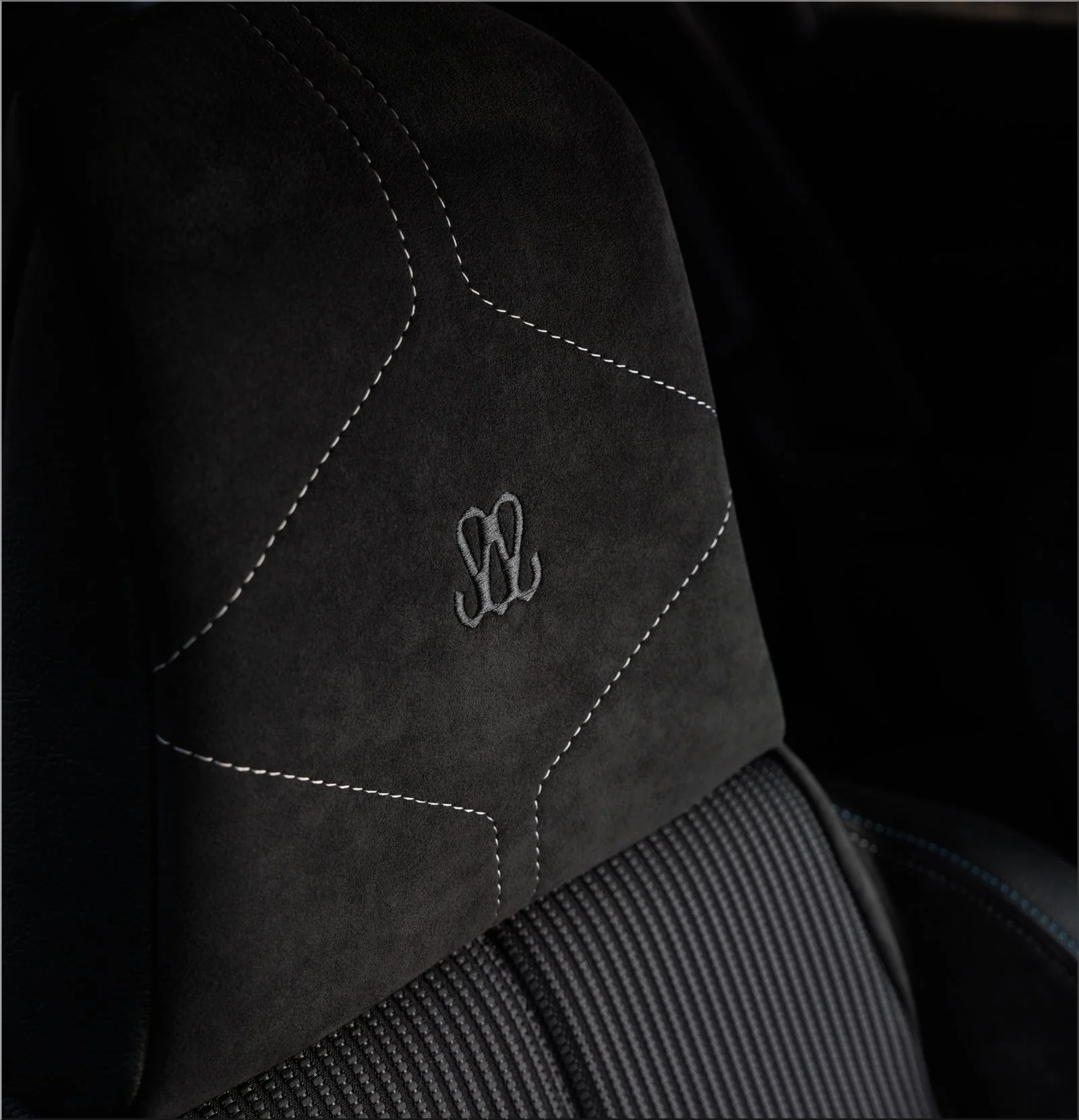
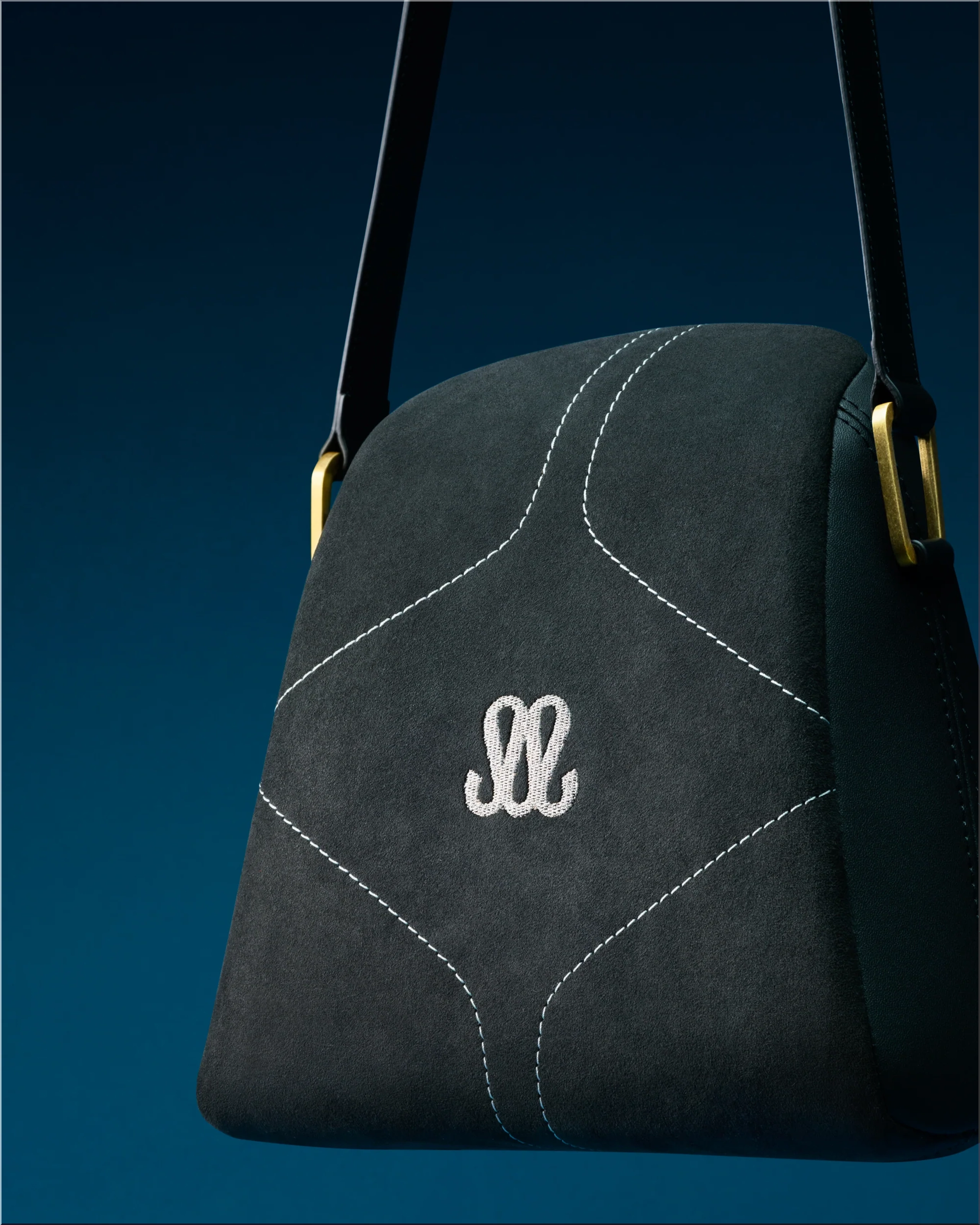
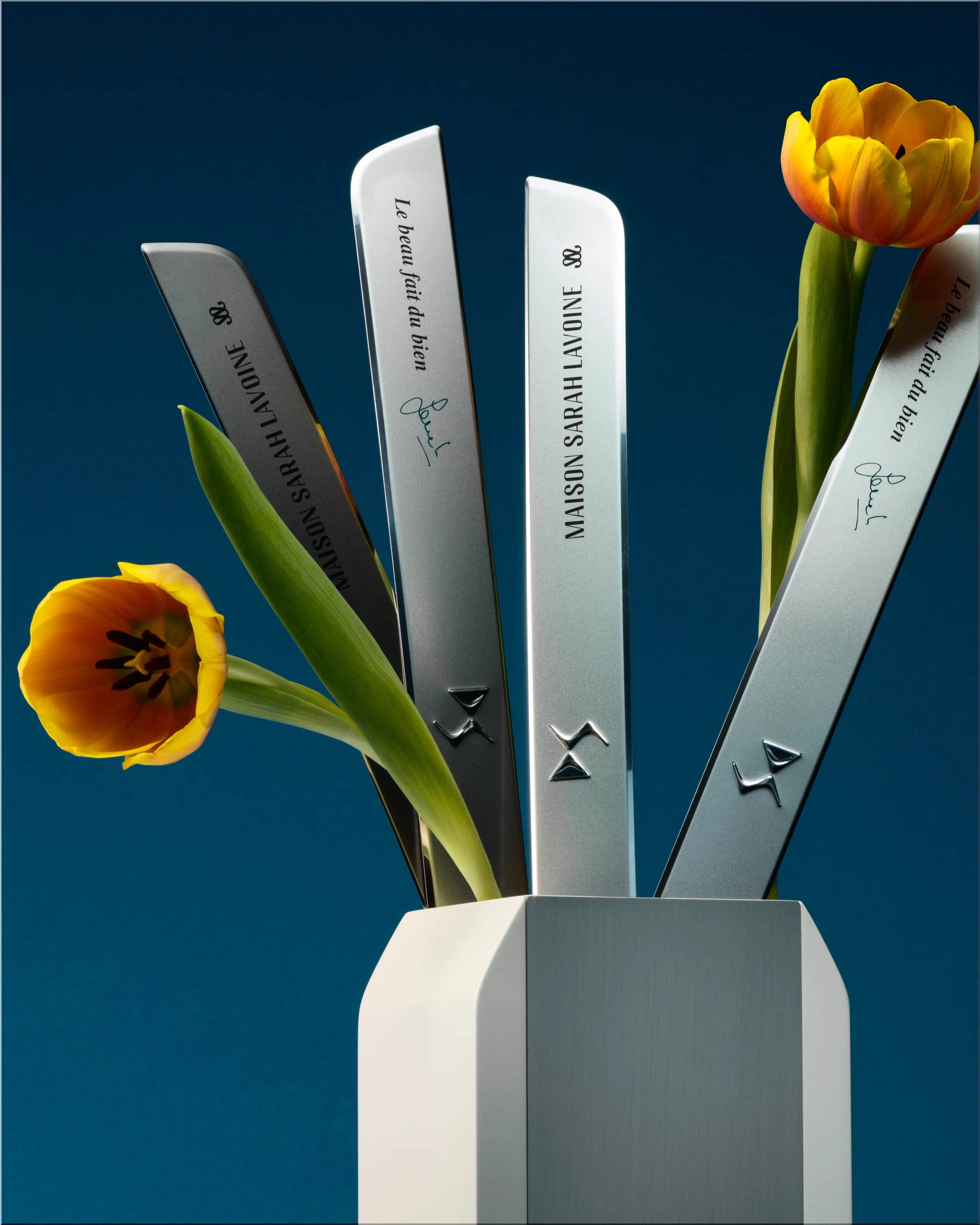
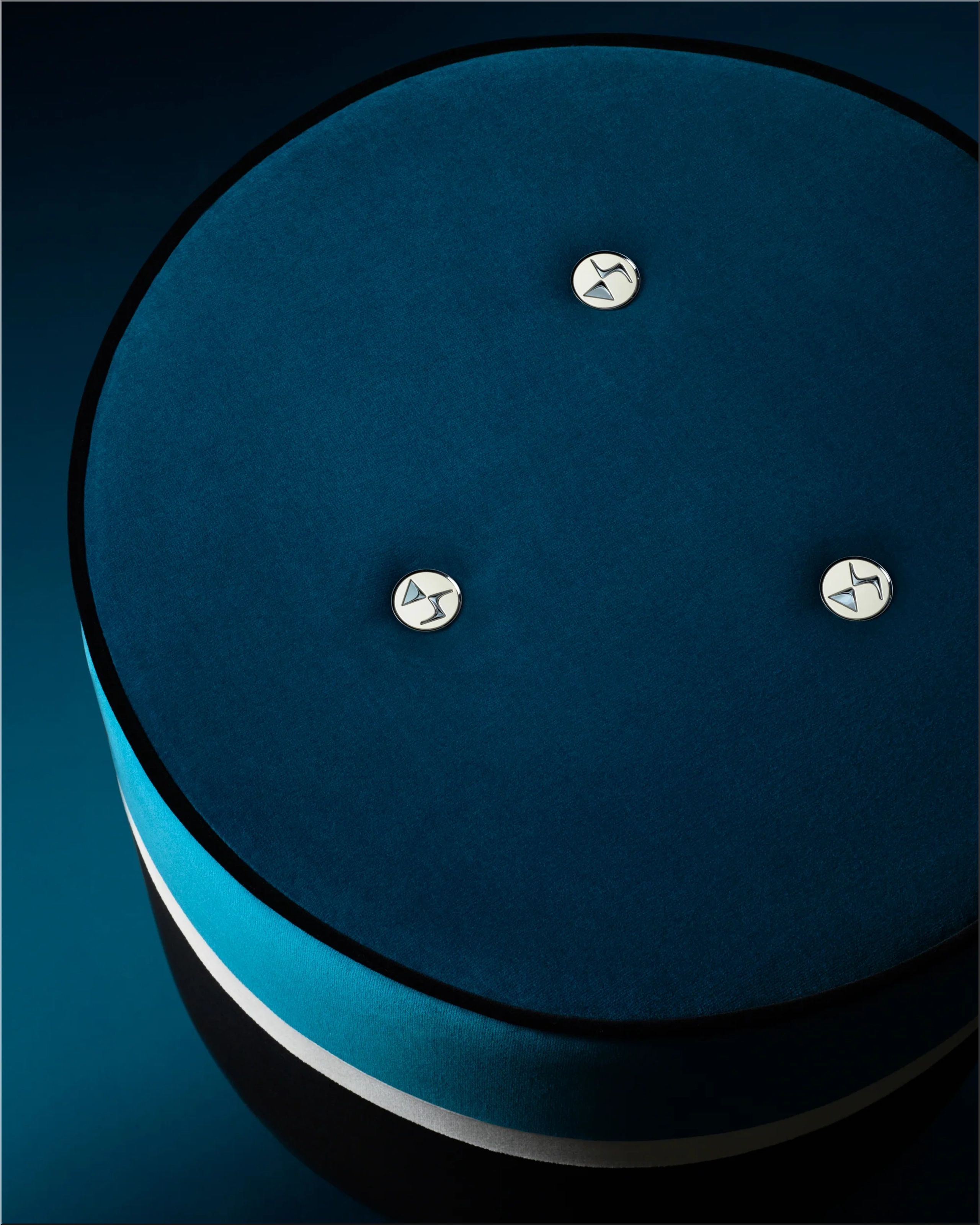
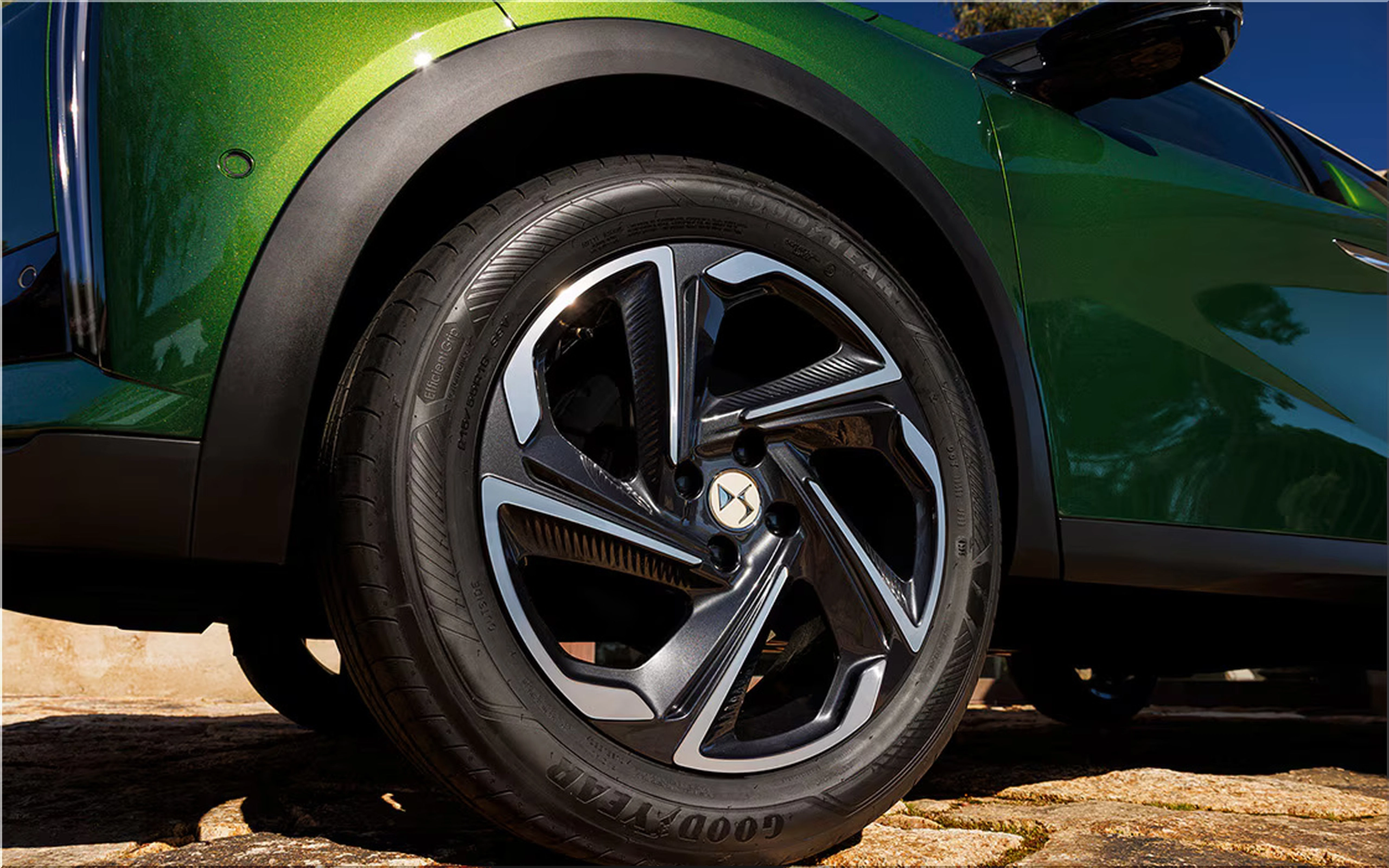
The signature move sits in the details. DS runs Sarah Blue stripes across the roof, rear quarter panels, and tailgate, then ties the look together with 18-inch wheels and matching wheel centre caps. Inside, DS keeps the cabin dark and soft with Black Alcantara, then cuts through it with cream and blue stitching, MSL embroidery, and sill trim signed with the phrase 'Beauty is good for you'.
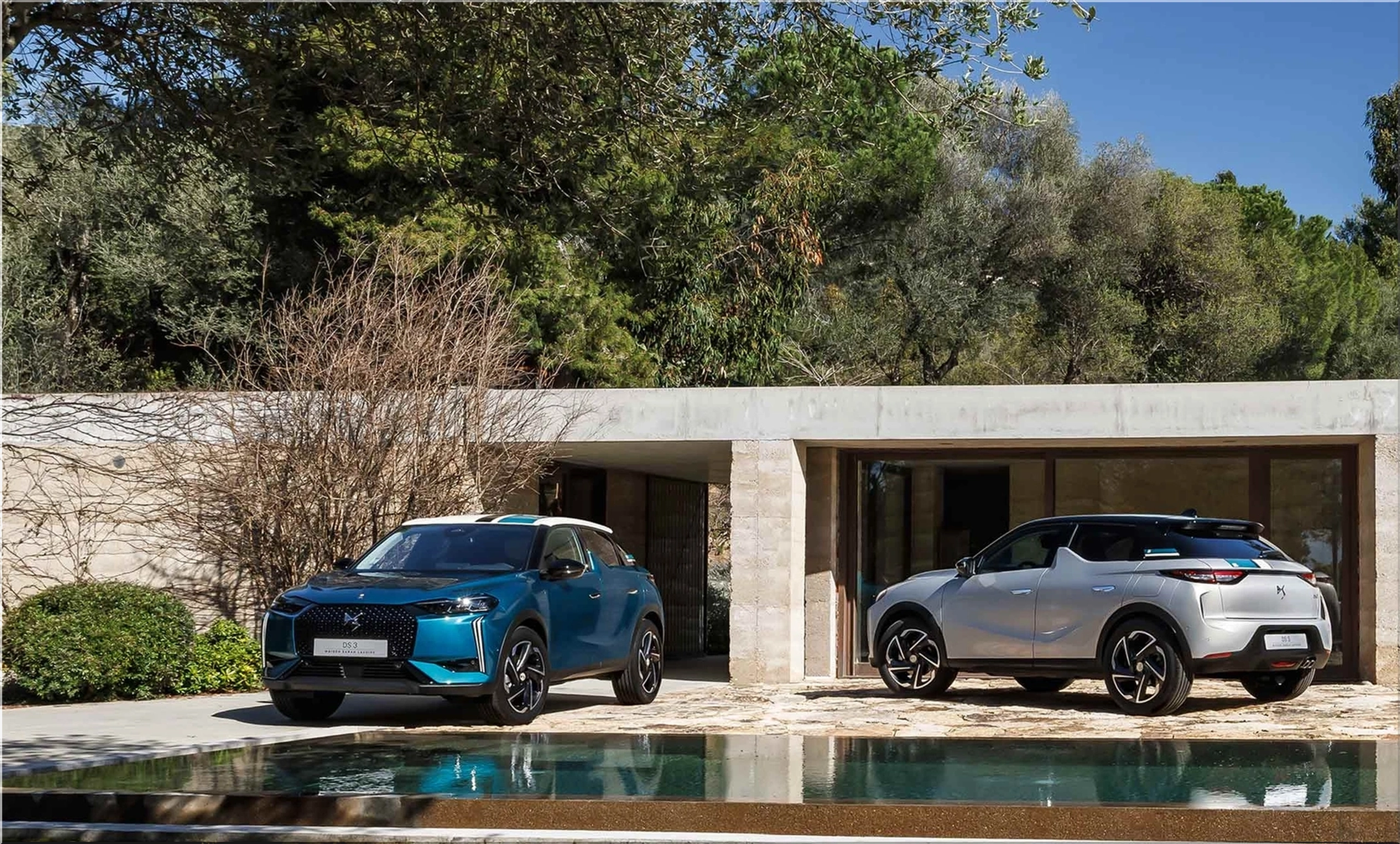
| Area | DS 3 Maison Sarah Lavoine treatment | Why it matters |
|---|---|---|
| Paint | Emerald Green plus three existing shades | Gives the collection its own color story |
| Roof | Parthenon Cream or Perla Nera Black bi-tone finish | Creates stronger contrast and visual lift |
| Graphics | Sarah Blue stripes on roof, quarter panels, tailgate | Makes the collaboration visible without looking loud |
| Wheels | 18-inch alloys with matching centre caps | Supports the premium design theme |
| Seats and trim | Black Alcantara, cream and blue stitching, MSL logos | Carries the house style into the cabin |
| Entry details | Signature sill trim and branded passenger-side finish | Makes the collaboration feel built-in, not added later |
The hard numbers under the design brief
Under the skin, DS keeps the DS 3 footprint compact and city-friendly. Official model data puts the car at 4,118 mm long (162.1 in), with a 2,558 mm wheelbase (100.7 in), 1,791 mm width (70.5 in) or 1,988 mm with mirrors (78.3 in), and height of roughly 1,534 to 1,536 mm (60.4 to 60.5 in). Boot volume stands at 350 litres VDA, so the design work does not eat into basic usability.
Specifically, DS offers the collection with a self-charging hybrid and a 100 percent electric setup. The hybrid uses a petrol engine and electric motor with a 48V Li-Ion battery and produces 145 hp. The electric version uses a 54 kWh battery, makes 156 hp and 260 Nm, and reaches up to 396 km WLTP in this collection trim with 18-inch wheels.
| Technical point | DS 3 Maison Sarah Lavoine HYBRID | DS 3 Maison Sarah Lavoine E-TENSE |
|---|---|---|
| Power output | 145 hp | 156 hp / 115 kW |
| Battery | 48V Li-Ion hybrid battery | 54 kWh traction battery |
| Torque | Not stated in the collection release | 260 Nm |
| Drive character | Self-charging, no plug needed | Full EV, no tailpipe emissions while driving |
| Urban use | More than 50% of city driving time can happen in electric mode at low speed | Quiet EV running suits dense urban use |
| Efficiency claim | Up to 20% CO2 reduction; DS also cites fuel savings up to 40% in city use on DS 3 Hybrid pages | Up to 396 km WLTP in the collection trim |
| Fast charging | Not applicable | 20% to 80% in about 26 minutes |
| Boot volume | 350 L | 350 L |
| Seats | 5 | 5 |
| Wheels in collection trim | 18-inch | 18-inch |
Why those figures make sense
Looking at the data, the 396 km WLTP figure for this collection sits slightly below the 404 km WLTP figure DS quotes for the standard DS 3 E-TENSE on its model pages. That gap makes sense. Larger 18-inch wheels, richer trim, and collection-specific equipment usually add a small efficiency penalty, and DS clearly chose design presence over chasing every last kilometre on the test cycle.
The hybrid makes just as much sense for buyers who do not want charger planning in their week. The 48V system harvests energy under braking and deceleration, then feeds it back during launch, low-speed rolling, and harder acceleration. Consequently, the car can cut fuel use in town without asking the owner to plug in at home or at work.
Definition: What DS means by self-charging hybrid
- The petrol engine handles steady cruising and heavier load.
- The electric motor helps at launch, low speed, and during boost.
- Regenerative braking refills the small battery during deceleration.
The cabin tech fits the collaboration better than you might expect
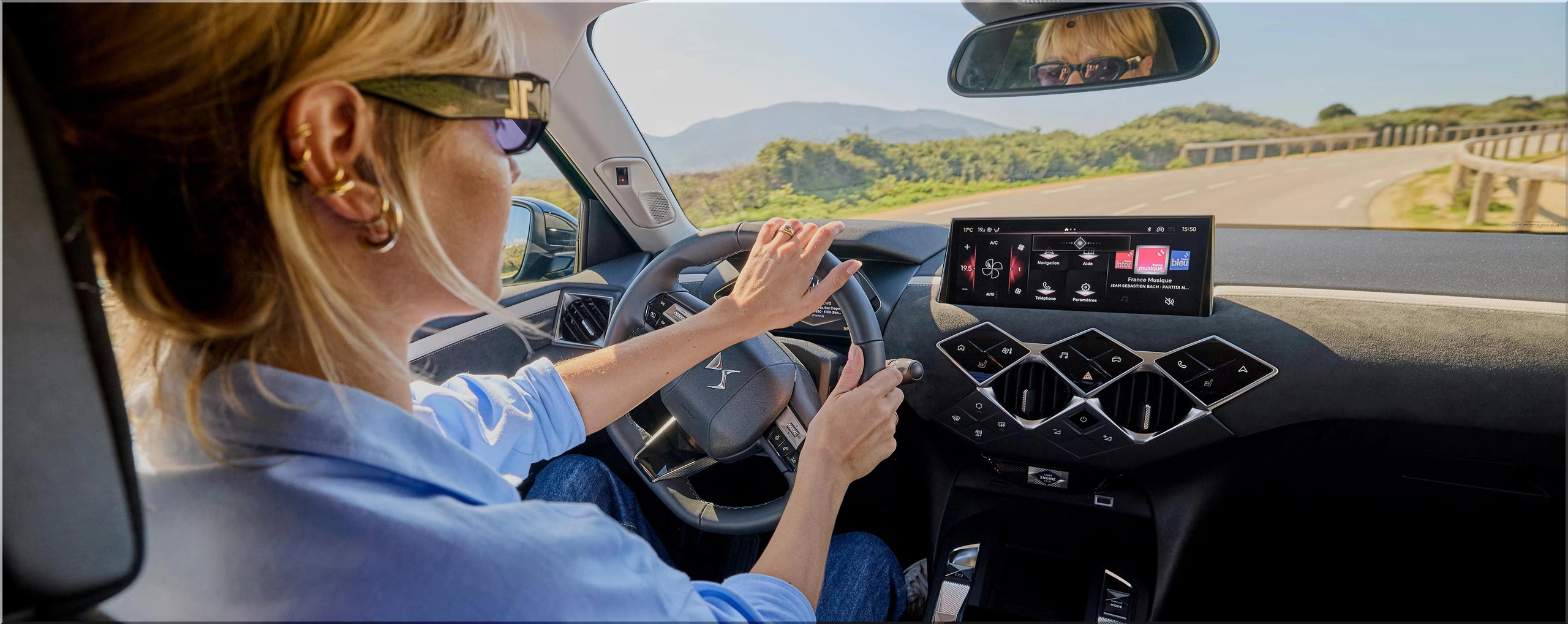
DS also ties this collection to a media and comfort package instead of stopping at trim. French private customers get one year's access to the majelan X Automotive mix app, which brings podcasts, premium editorial content, and more than 50 press titles to the 10.3-inch HD touchscreen. That fits the car's brief because the whole point here rests on mood, touch, sound, and calm cabin time rather than raw straight-line drama.
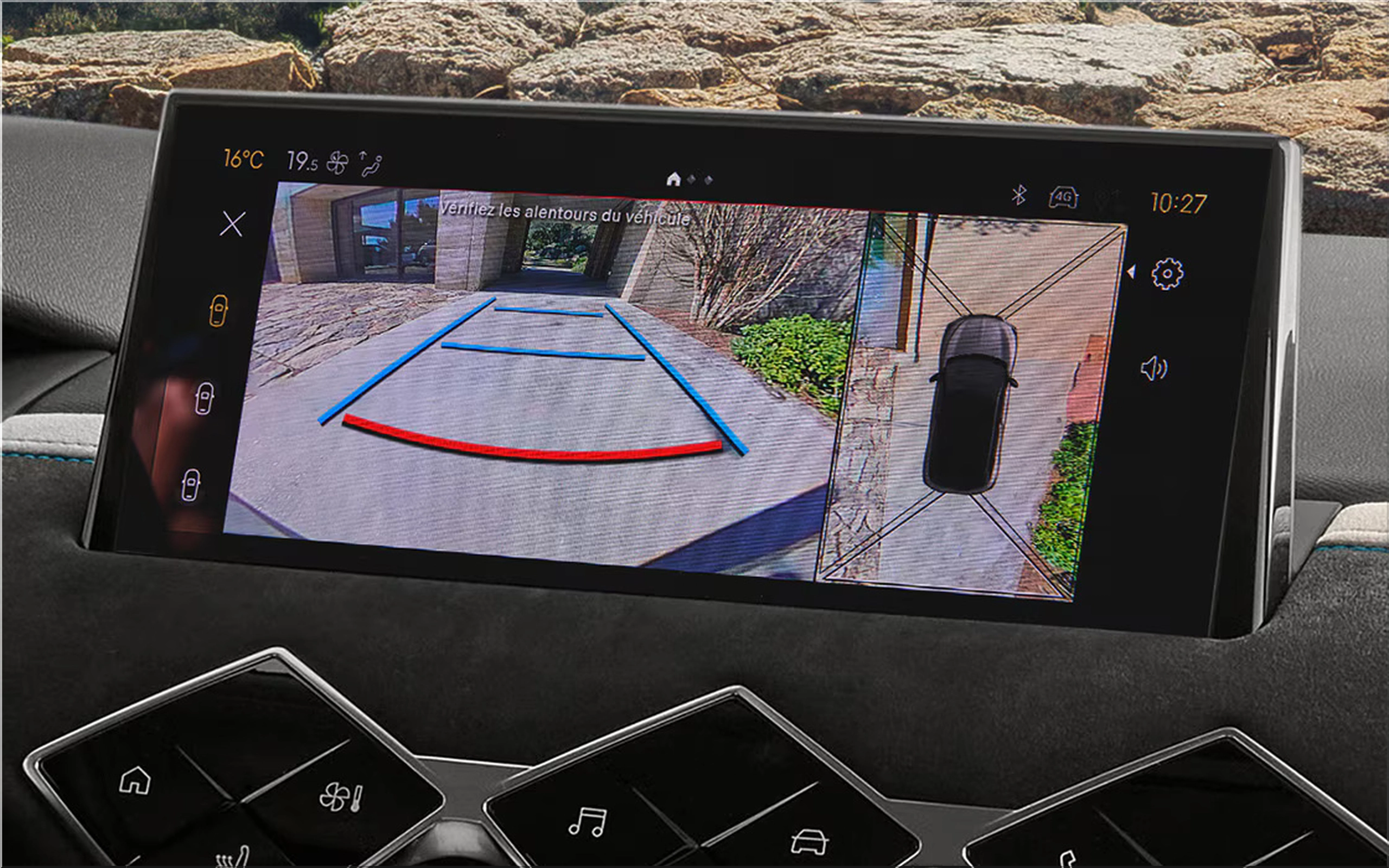
In addition, the standard equipment list lands in the right place for this price band. Buyers get proximity keyless entry and start, front and rear parking sensors, 360 Vision, blind spot monitoring, a wireless charger, and heated front seats. DS also backs the car with DS Serenity coverage for up to 8 years or 160,000 km, plus roadside assistance in 47 countries.
Pricing
| Version | France list price | Approx. USD | Finance snapshot |
|---|---|---|---|
| DS 3 Maison Sarah Lavoine HYBRID | 38,300 EUR | 44,141 USD | About 288 USD/month after about 3,452 USD initial payment |
| DS 3 Maison Sarah Lavoine E-TENSE | 44,550 EUR | 51,344 USD | About 478 USD/month with no initial payment after French CEE deduction |
By comparison, that price spread tells you exactly how DS expects buyers to shop this car. The hybrid holds the lower entry point and keeps daily use easy. The electric model asks for more money up front, but it pays back with quieter running, lower routine service needs, and stronger appeal in low-emission urban zones.