Strategic Scent Marketing Hits the Phone Case Market
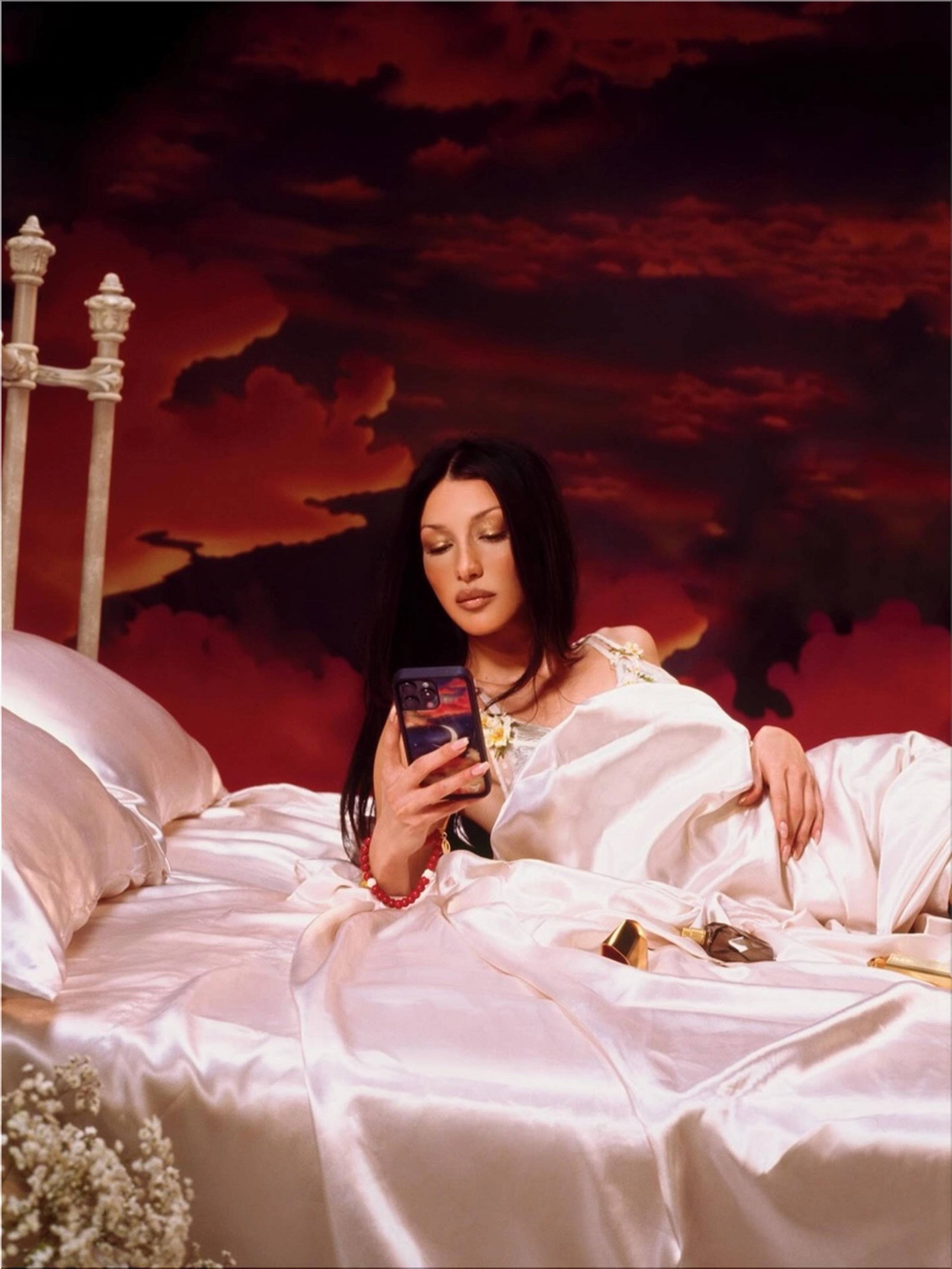
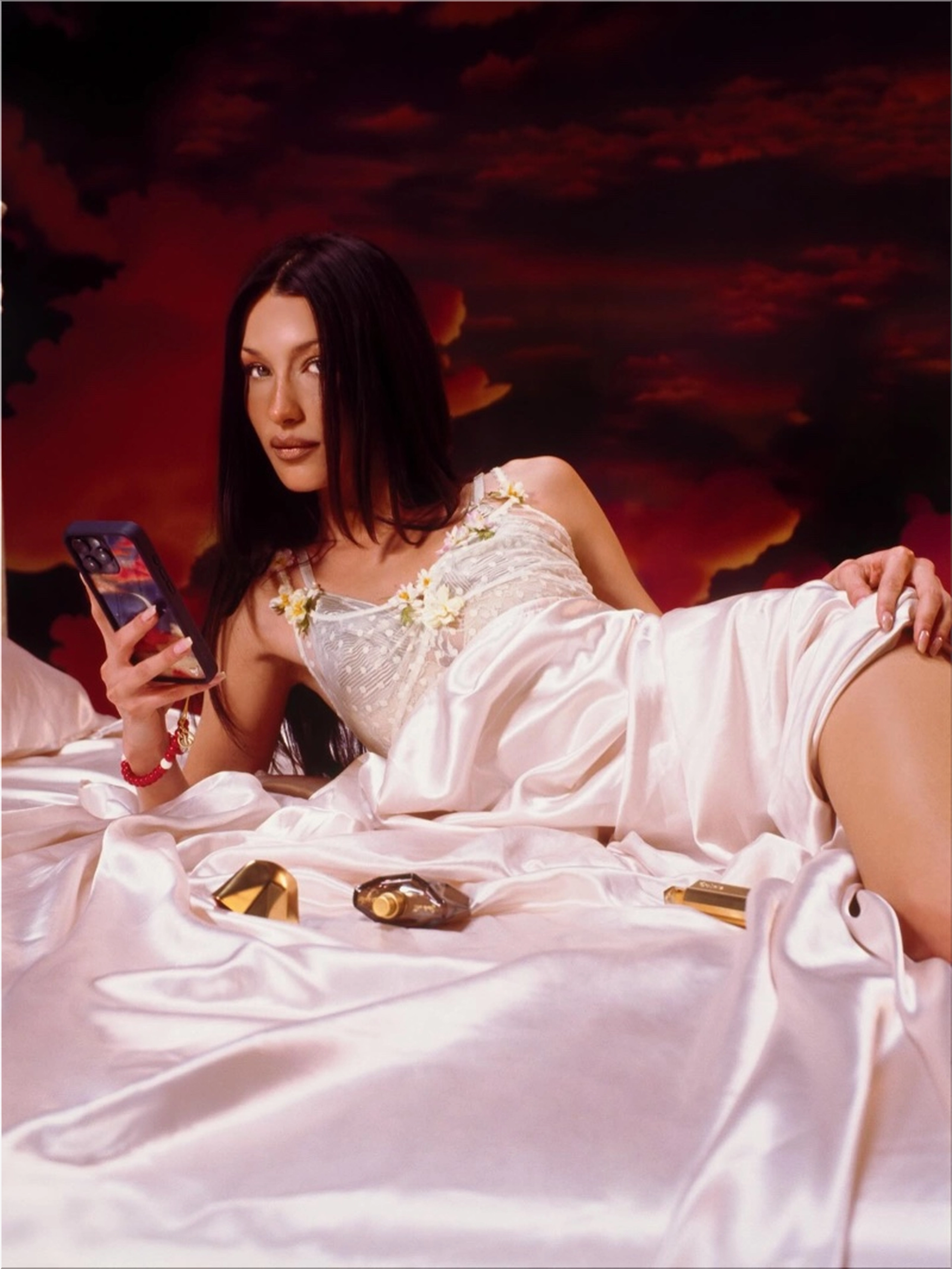
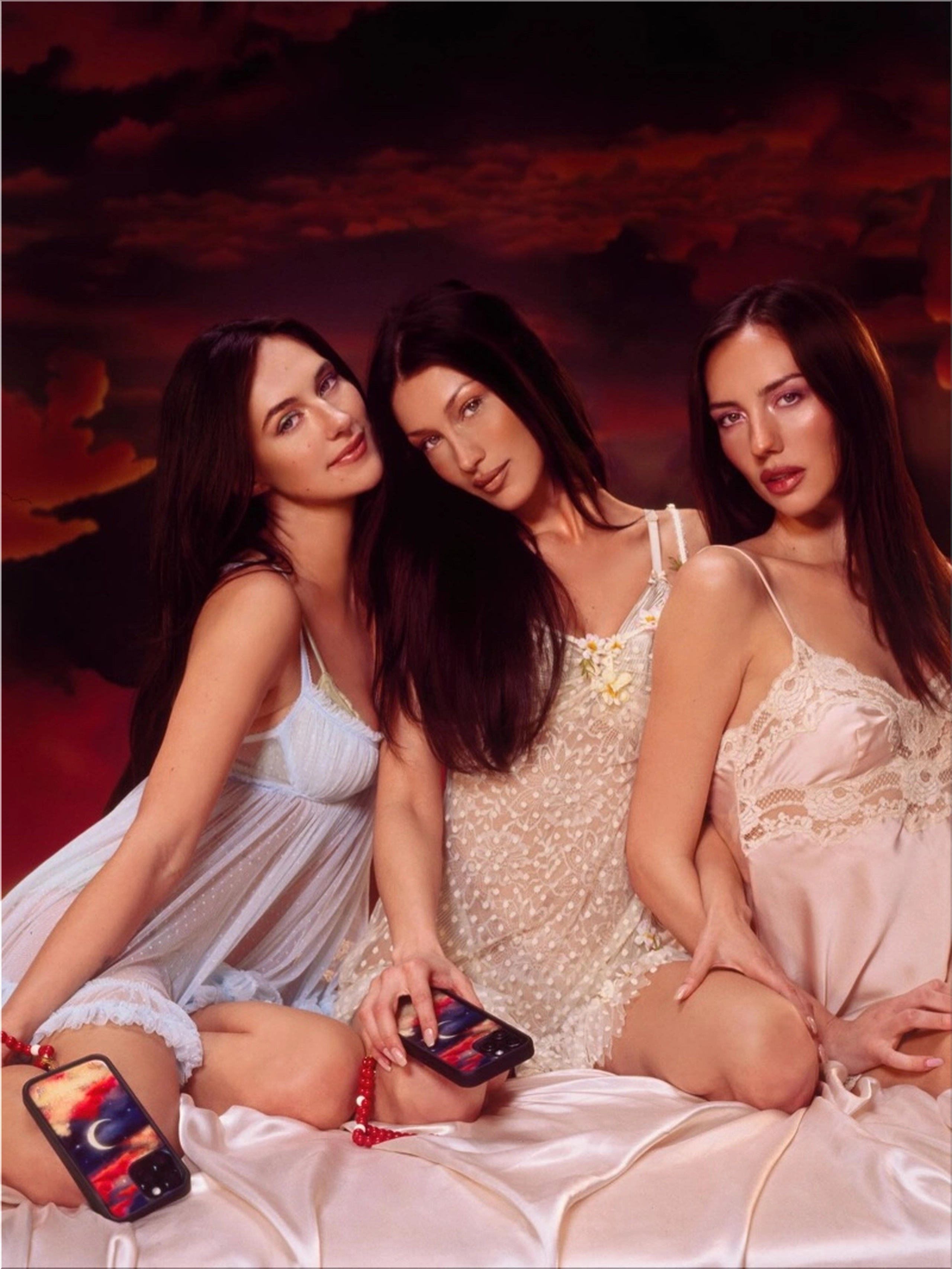
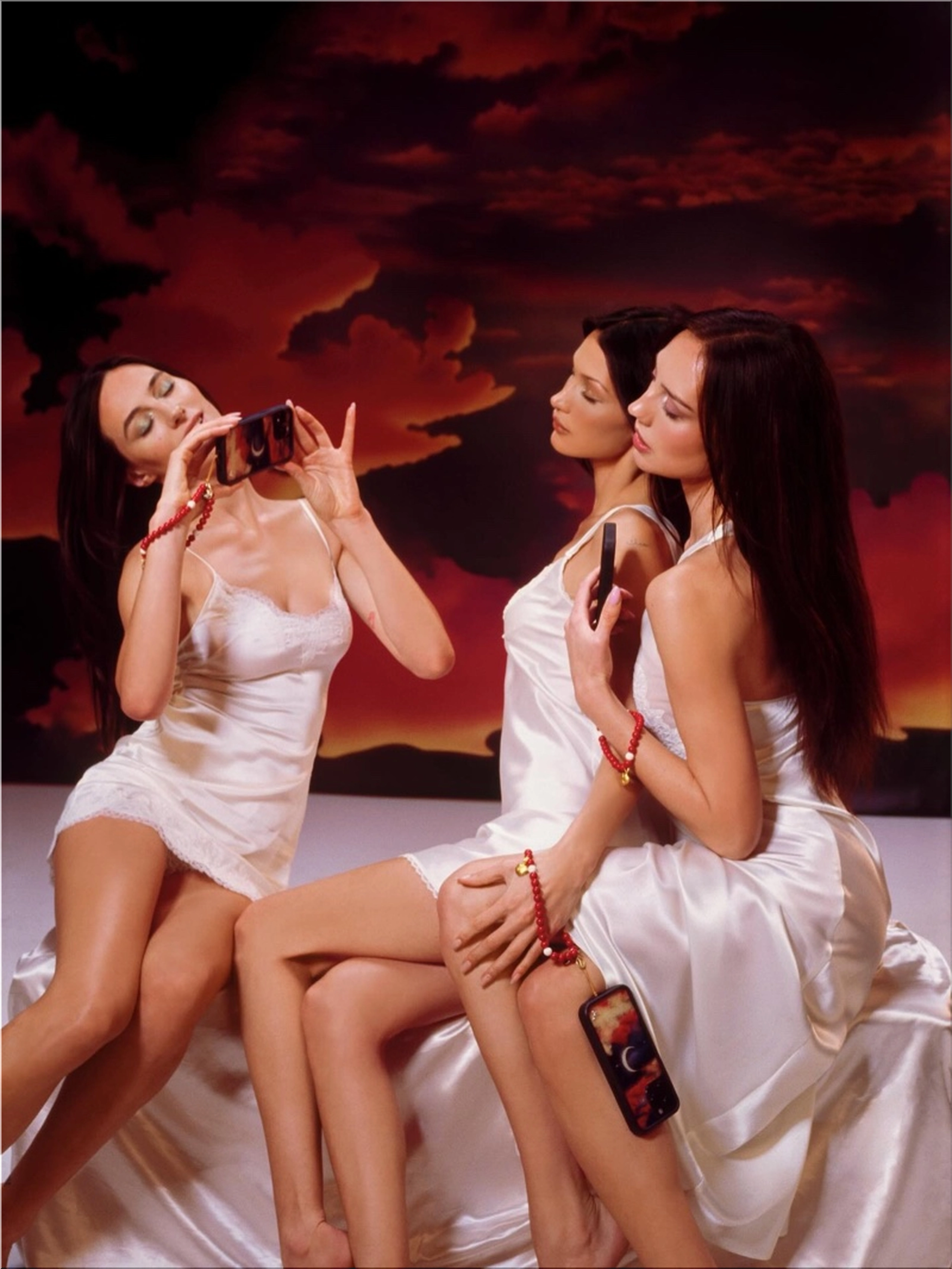
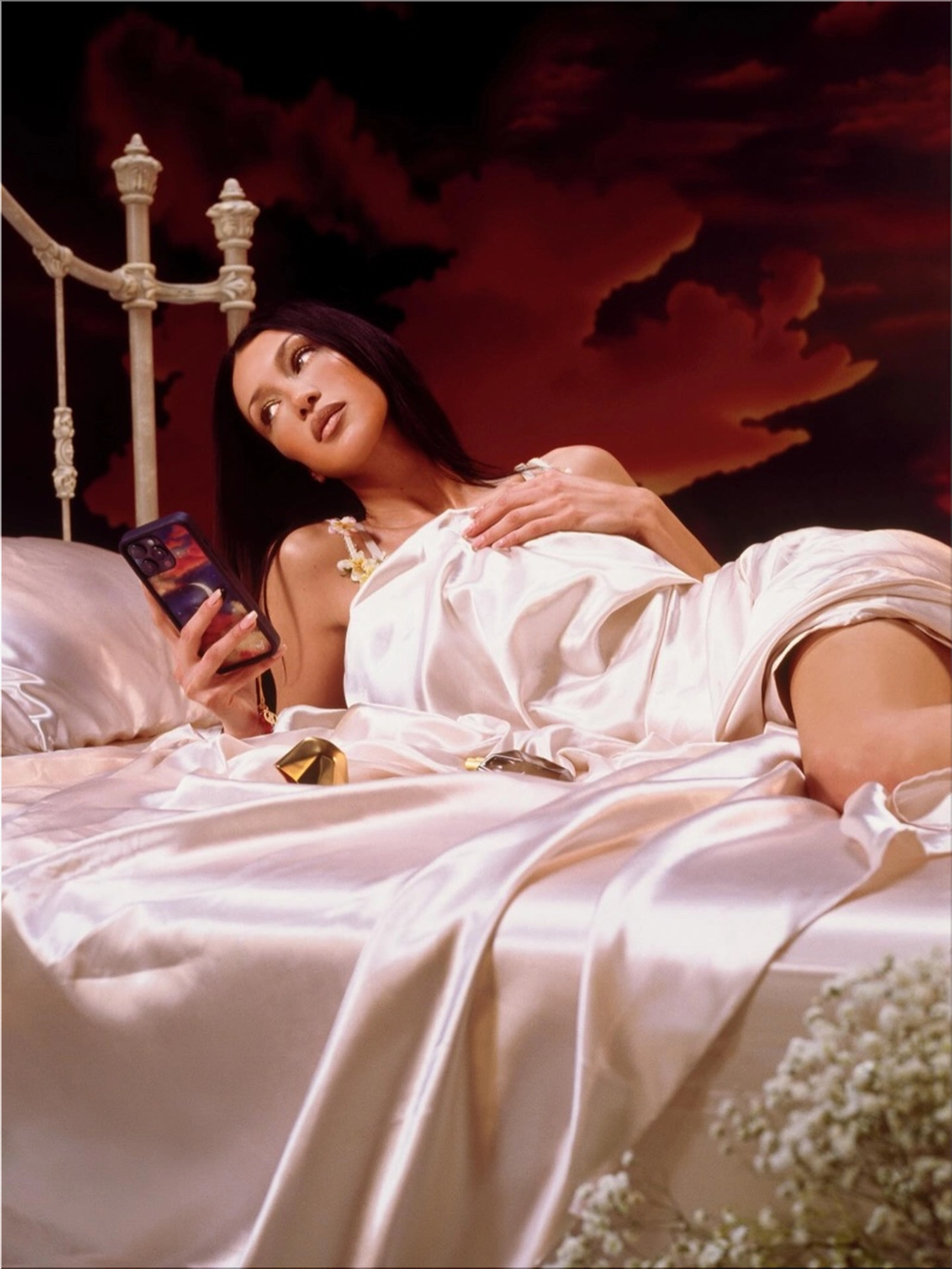
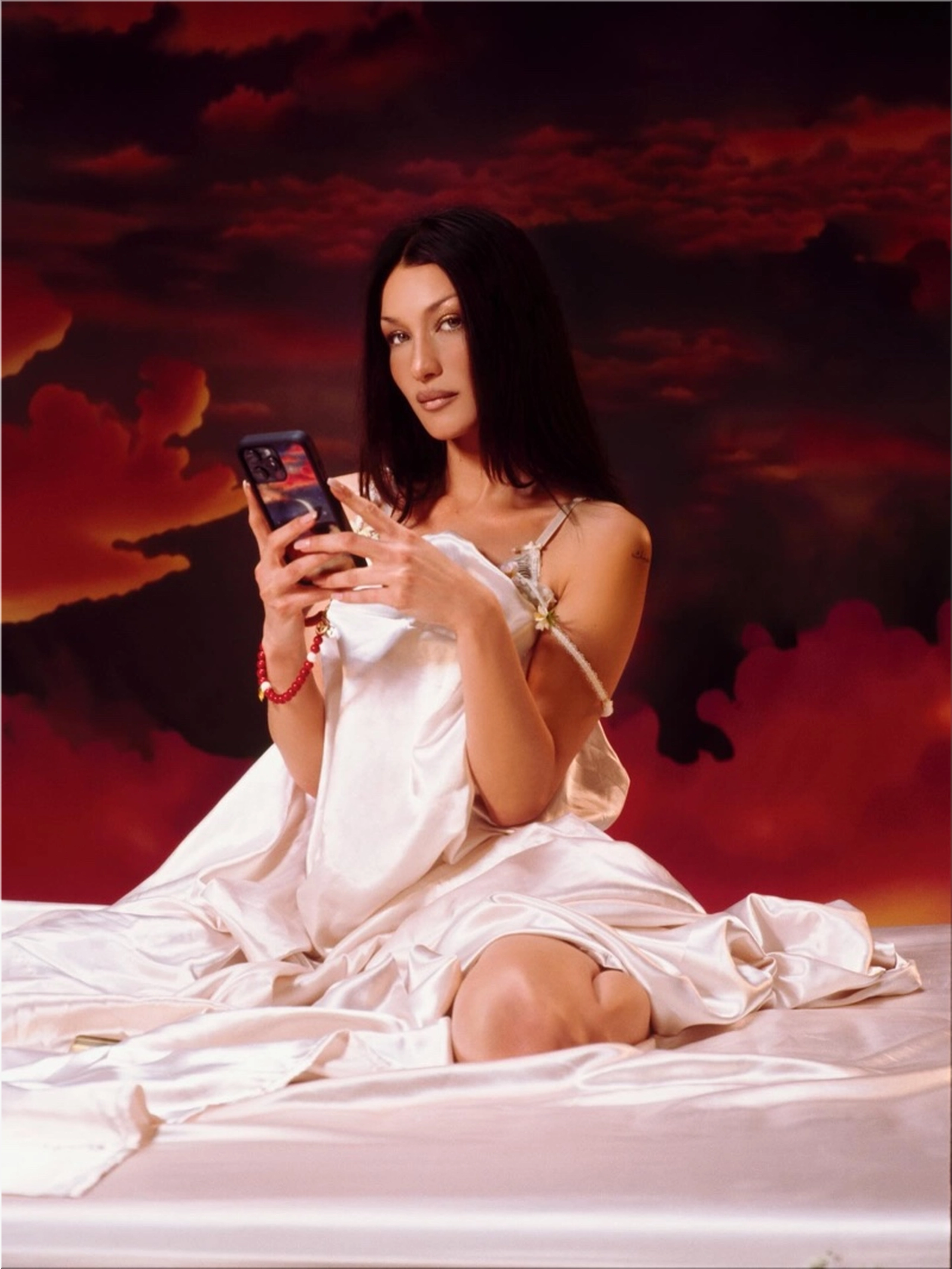
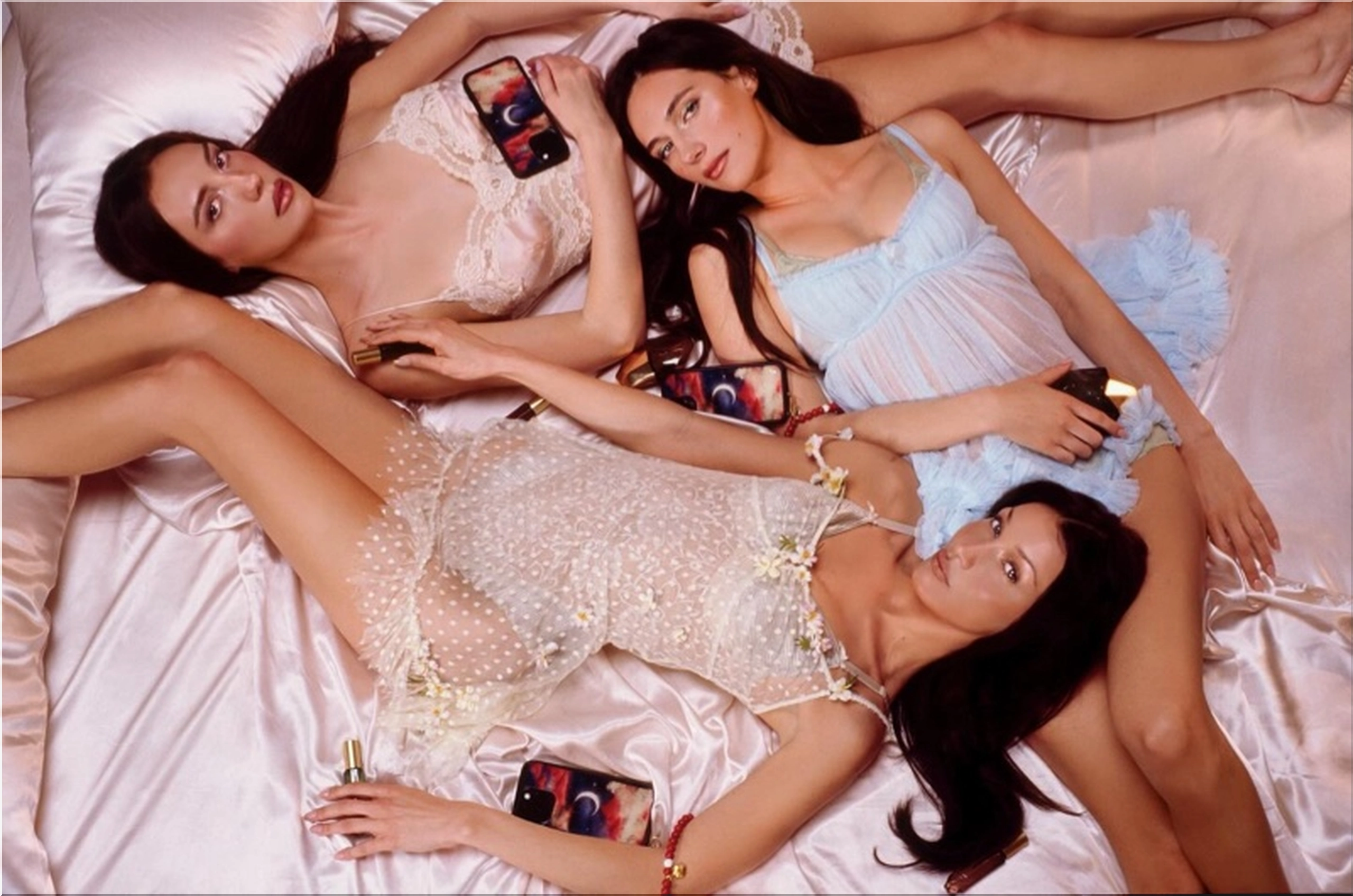
Bella Hadid has entered a new vertical—phone accessories—with the launch of a co-branded perfume-infused phone case developed by Wildflower Cases and her fragrance brand Orebella. The collaboration combines aesthetics with functional fragrance delivery, targeting a digitally native, Gen Z demographic that’s responsive to both visual identity and sensory experiences.
Unlike traditional tech accessories, these cases disperse scent through proprietary microcapsule infusion. The cases are available in three scents derived from Orebella's product line: Salted Muse, Window2Soul, and Blooming Fire.
Fragrance-as-Function: The Scented Case Breakdown
Each case is pre-treated with scent-loaded microcapsules. When touched, these capsules rupture, releasing a measured amount of fragrance. According to Wildflower’s manufacturing notes, the fragrance durability is rated for approximately 30 days of regular use before scent degradation becomes noticeable.
Key Product Specs:
| Feature | Details |
|---|---|
| Compatible Devices | iPhone 12–15 series |
| Scent Options | Salted Muse, Window2Soul, Blooming Fire |
| Price (USD) | $35 per case (approx.) |
| Scent Longevity | 30 days (average daily use) |
| Case Material | Impact-resistant polycarbonate |
| Retail Availability Date | June 28, 2025 |
| Distribution Channels | WildflowerCases.com, Orebella.com, select pop-ups |
Economic Rationale: Low Overhead, High Engagement
The average polycarbonate phone case costs under $2 to produce at scale. Scent infusion—using standard cosmetic-grade microcapsule tech—adds an estimated $0.50 per unit. That positions the total production cost at $2.50 per unit, while the retail price remains at $35, producing a gross margin of over 92%.
With Orebella’s 4.5 million combined social media reach and Wildflower’s existing distribution infrastructure, the companies bypass traditional retail markups, retaining a larger profit share.
Core Economic Advantages:
- High-margin consumer good
- Reusable molds and scalable scent infusion process
- Direct-to-consumer model limits distribution costs
- Gen Z marketing aligned with multisensory trends
Audience Fit: Gen Z’s Sensory Branding Obsession
Gen Z expects experiences, not just utility. According to a 2024 Deloitte study, 71% of Gen Z consumers prefer products that stimulate multiple senses, with scent ranking third after visual and audio cues.
By combining touch, sight, and smell, the Orebella × Wildflower release achieves what other phone accessories don’t—multi-sensory brand integration. The user isn’t just holding a case; they’re interacting with a fragrance-delivery device disguised as a lifestyle product.
Hadid’s promotional campaign mirrors this angle. Instead of traditional ads, she released short-format videos featuring daily phone use paired with emotional triggers—scent as memory, scent as mood regulator.
Technical Constraints and Manufacturing Limits
While the concept is novel, the cases have a hard scent expiration window. Microcapsule technology can’t yet support fragrance stability beyond 4–6 weeks without airtight storage. That limits long-term appeal unless refill models or reactivation sprays are introduced.
In addition, scent uniformity across batches poses a quality control issue. Early testers noted variation in fragrance strength, especially in the “Blooming Fire” variant. Wildflower acknowledges this and has updated its production protocols to use automated scent dispersion calibration starting Q3 2025.
Competitive Positioning: No Direct Rival Yet
The phone accessory market is saturated with options focused on drop protection, aesthetics, or both. But no mainstream brand currently offers a fragrance-enabled case with certified safety compliance for skin exposure and electronic compatibility.
Orebella’s advantage lies in pre-existing fragrance IP, while Wildflower contributes a decade of case design and logistics expertise. Together, they have created an untapped product niche.