
Air travel faces fresh challenges each year. 2025 air travel brings new rules, new aircraft, and new concerns. Passengers seek safest airlines to avoid stress. This drive pushes carriers to adopt updated protocols and advanced aircraft systems. Security inspections have tightened. Boarding procedures are more organized, and sanitation routines are more robust than previous years.
Why Safety Matters More Than Ever
Airlines compete on price and comfort. They also must build a track record free of major incidents.
Safe operations give travelers confidence. Delays or cancellations are inconvenient, but safety lapses can be life-changing.
Better engines, improved cockpit technology, and refined cabin design help. These innovations lower the chance of mechanical or structural problems.
Pandemic-era adjustments remain relevant. Face coverings and upgraded ventilation systems reduce health risks.
Leading carriers verify staff readiness with advanced simulation programs. They also invest in cutting-edge inspection tools.
Cargo shipments are tracked carefully. Extra screening steps filter out hidden hazards.
European Carriers Leading the Way
Europe boasts established national carriers. These airlines emphasize pilot training, maintenance, and passenger comfort.
Below are key European airlines with impressive safety scores:
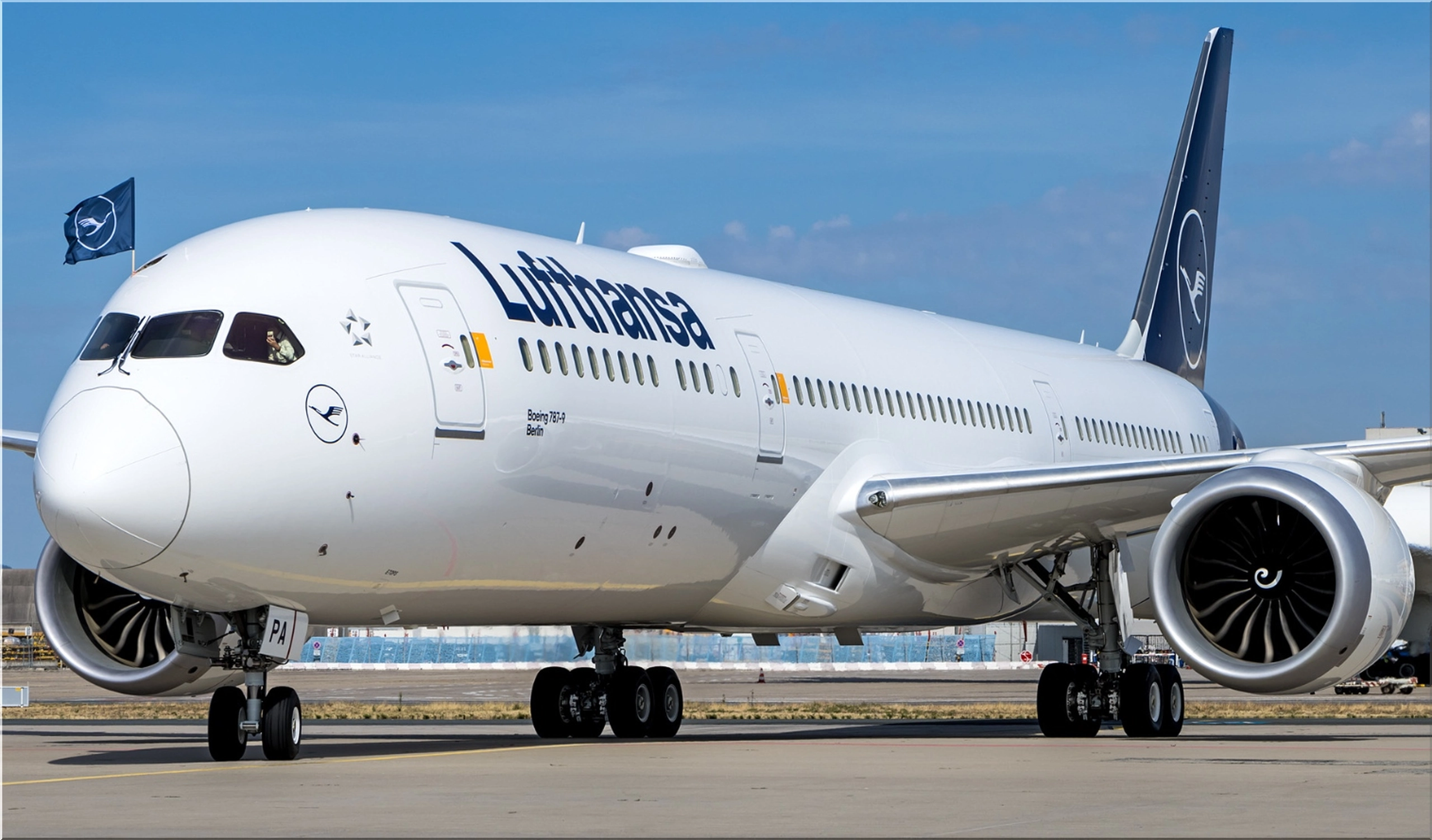
- Lufthansa
- Strong safety culture
- New training center for pilots
- Modern wide-body fleet
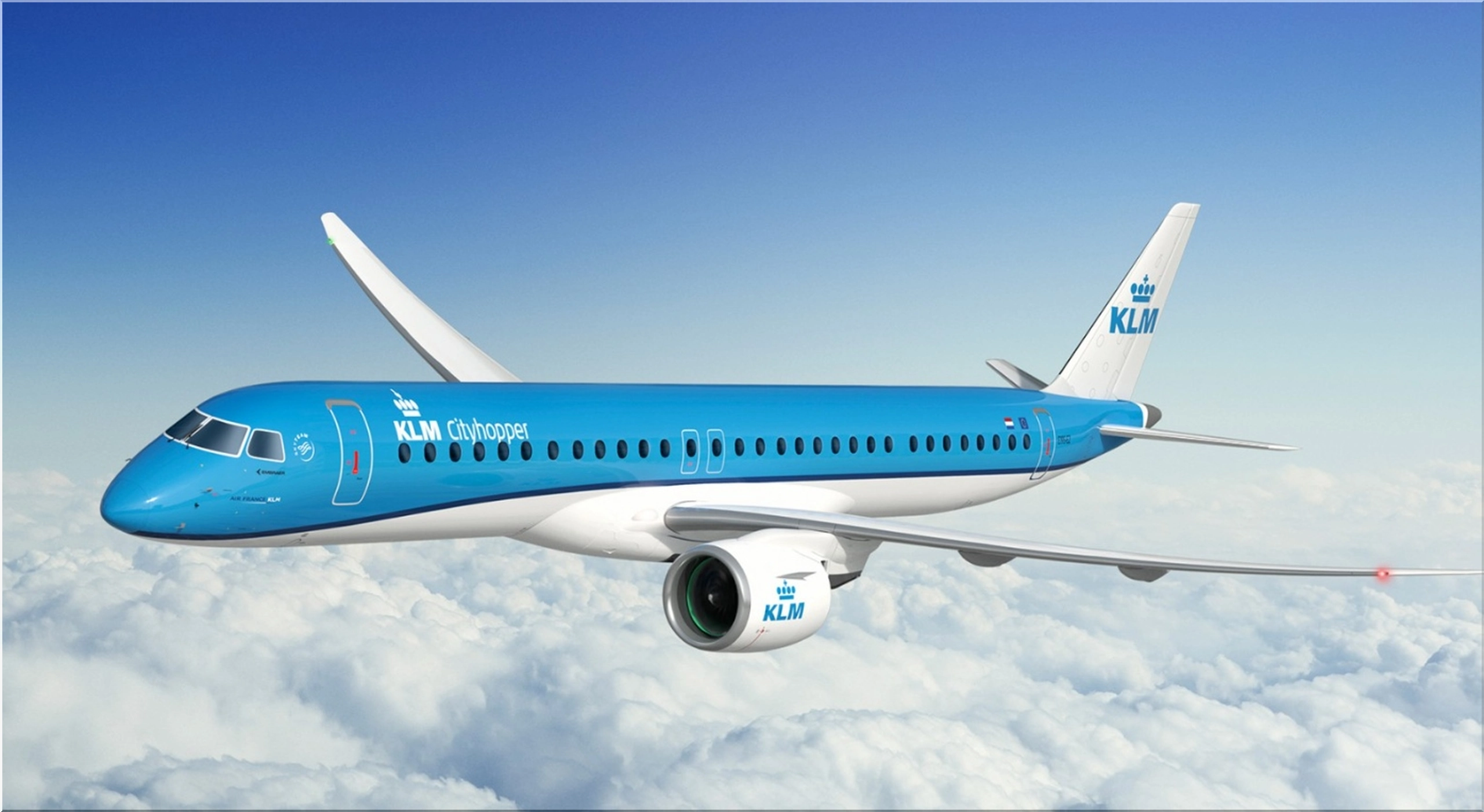
- KLM
- Pioneer of strict safety checks
- Active in global pilot partnerships
- Fuel-efficient aircraft
- British Airways
- Consistent pilot training programs
- Collaborates with regulators on safety updates
- Implements advanced runway monitoring
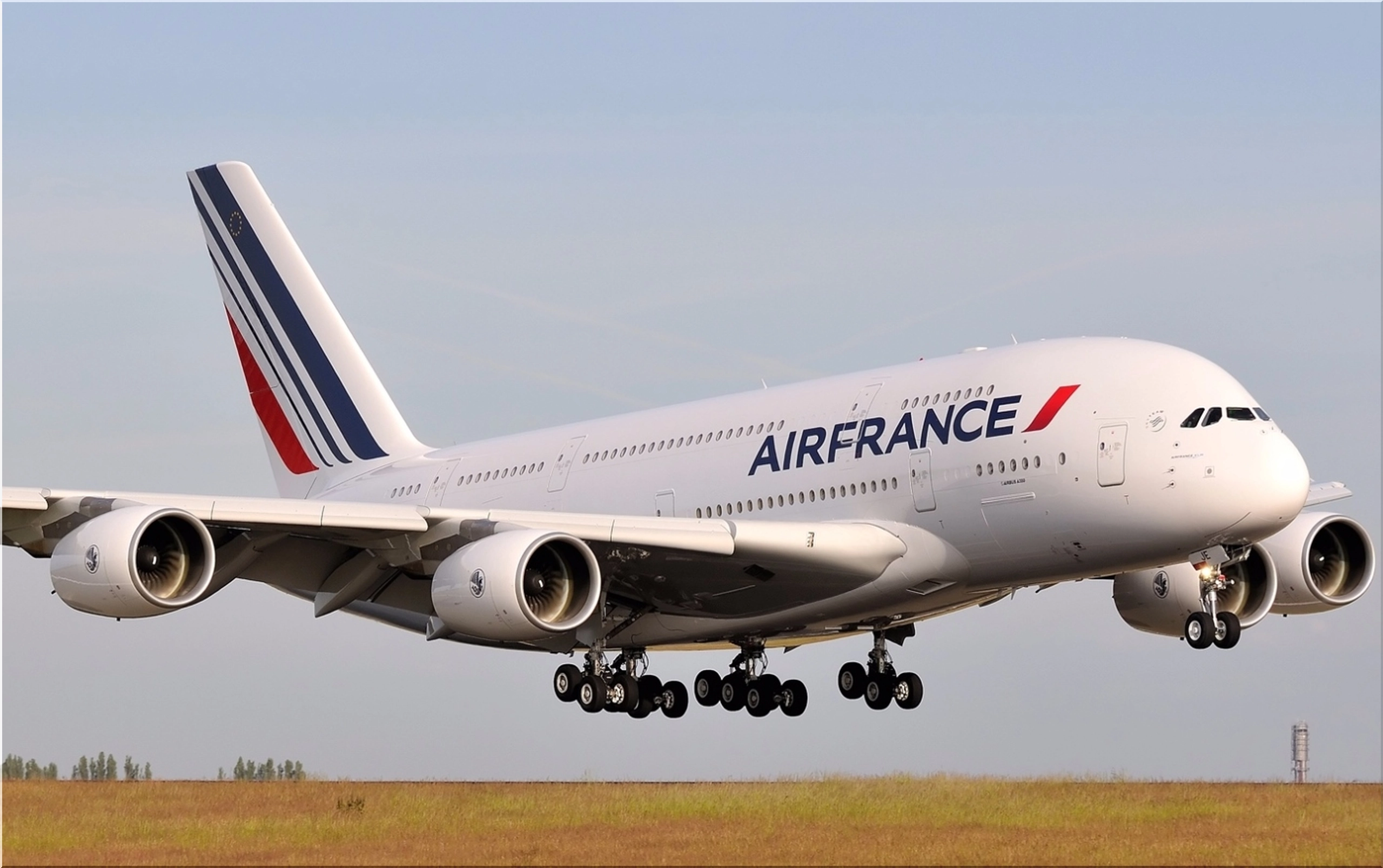
- Air France
- Long operational history
- Comprehensive maintenance protocols
- Enhanced flight tracking
Smaller carriers also rank high. Austrian Airlines invests in engine monitoring. Finnair invests in polar route training for unique weather conditions.
Low-cost carriers in Europe work hard to maintain trust. Some partner with top maintenance providers to ensure equipment reliability.
Planes used by these carriers feature improved cabin pressurization. This helps reduce stress on aging airframes.
Global Giants Setting New Safety Standards
Outside Europe, several worldwide names stand out. The following carriers operate large fleets with minimal incidents.
- Qantas (Australia)
- Rarely records major accidents
- Focuses on pilot fatigue management
- Extensive internal auditing
- Air New Zealand
- Invests in continuous pilot development
- Stays current with engine upgrades
- Maintains strict smoke detection systems
- Singapore Airlines
- Known for meticulous cabin inspections
- High-quality pilot selection process
- Strong oversight of code-share partners
- Emirates
- Large fleet with modern jets
- Monitors flight data to predict issues
- Trains crew on multiple emergency scenarios
- Qatar Airways
- Emphasizes strict regulatory compliance
- Adopts advanced satellite-based navigation
- Prioritizes crew communication training
- Etihad Airways
- Invests in real-time aircraft diagnostics
- Maintains advanced landing systems
- Conducts mandatory refresher courses
These carriers keep robust safety management systems in place. Their approach involves constant data analysis to spot trends.
Many aim for the newest aircraft, such as the Boeing 787 or Airbus A350. Modern designs feature improved aerodynamics and digital monitoring.
In many hubs, these airlines share maintenance facilities. That consolidation keeps standards uniform and spares no detail.
Innovations Shaping Airline Safety in 2025
2025 flight technology signals an era of advanced solutions. Airlines test composite materials that are lighter yet strong.
Engine suppliers use sensor arrays that detect signs of wear. Predictive analytics then alert ground crews. This lowers the risk of inflight incidents.
Cabin design also benefits from new ideas. Seats have fire-resistant fabric. Emergency exits have better illumination.
Pilots rely on augmented reality (AR) for weather data. This helps them avoid turbulence and storms. Synthetic vision systems provide a clear digital view when visibility is poor.
Drones assist with exterior inspections. Maintenance staff see real-time images of wings, tail sections, and fuselage.
Many airlines investigate electric propulsion for short routes. Others consider hydrogen-based fuel cells. These steps aim to cut emissions and reduce mechanical complexity.
Frequent flier programs now reward eco-friendly activities. Some carriers offer carbon offsets in exchange for loyalty points.
A few startups produce cockpit software with added fail-safes. If a sensor fails, a backup sensor takes over instantly.
Practical Tips for Passengers Seeking Reassurance
Passengers can take simple actions to improve peace of mind. Price is one factor, but safety credentials can be more significant.
Below are easy steps to consider:
- Check recent safety rankings in public databases
- Inspect airline fleet age before booking
- Read official announcements on pilot training updates
Online communities share feedback on real flight experiences. These insights often highlight day-to-day reliability.
It also helps to understand seating. Some travelers pick seats near exits for added confidence. Others choose seats near the wings for stability.
A short safety demo saves lives in emergencies. Crew members are trained to keep you safe. Their instructions carry weight.
When searching for tickets, look at past news on the carrier. A track record free of major events suggests good protocols.
Sample Table of Common Safety Features
| Feature | Purpose | Benefit to Passengers |
|---|---|---|
| Reinforced Cockpit Door | Deters unauthorized entry | Greater security |
| Advanced Turbulence Alert | Predicts rough air and adjusts flight path | Smoother ride, fewer injuries |
| Fire Suppression Systems | Automatically contain cargo fires | Lower risk of onboard incidents |
| Flight Data Monitoring | Analyzes performance in real time | Quick response to malfunctions |
| Electronic Checklists | Standardizes pilot procedures | Consistency in stressful moments |
Such features boost safety on each flight. They ensure that both routine and unexpected events remain under control.
Deeper Look at Training and Maintenance
Airlines focus on crew training to guarantee top performance. Simulation labs allow pilots to practice rare scenarios.
Flight attendants receive rigorous training too. They manage evacuations, handle medical events, and soothe nervous flyers.
Maintenance teams follow strict schedules. Components are replaced before official deadlines. Engine parts undergo ultrasonic or X-ray checks.
Regular drills keep everyone alert. Even administrative staff learn basics of aircraft safety.
Some carriers partner with academic institutions. They develop research on new aviation technology. This synergy fosters continuous improvement.
In many regions, regulators conduct surprise checks. They evaluate documentation and inspect aircraft randomly.
Health Protocols Still in Force
Global health measures remain in place. Sanitized cabins are standard. Many airlines install high-efficiency filters.
Contactless check-in reduces lines. Passengers can scan digital boarding passes without physical contact.
Masks remain optional on some flights. Others keep them mandatory for certain routes. Policies vary, so confirm details with the airline.
Airlines stock sanitizers in restrooms and galleys. Tray tables receive extra disinfecting between flights.
Airlines also manage staff well-being. Tired crew can make mistakes. So rest schedules matter as much as mechanical checks.
The Financial Side of Safety
Modern aircraft cost large sums. A brand-new wide-body can exceed 300 million USD. Yet carriers accept these costs to maintain a safe fleet.
Maintenance budgets can approach 2,000 USD per flight hour on certain types. A well-funded program cuts long-term risks.
Training also requires steady funding. State-of-the-art simulators can cost over 15 million USD each. Carriers see these as investments.
Insurance rates reflect safety records. Repeated incidents raise premiums. That hurts profitability, so airlines have a clear incentive to avoid mishaps.
Passengers pay for this through ticket fees. Yet many appreciate the peace of mind that results.
Startups and Tech Collaborations
A new wave of aviation startups aims to refine flight operations. They build sensors, develop autopilot software, or create new seat designs.
Collaboration with older carriers leads to faster adoption. Some startups supply flight data analytics. Others craft real-time weather alert platforms.
Several venture capital funds see promise in electric or hydrogen-powered aircraft. These projects may transform short-haul flights.
Artificial intelligence helps airlines optimize paths and reduce mechanical stress. This leads to fewer maintenance events.
Voice recognition also enters the cockpit. Pilots can request quick data updates hands-free.
Such ideas reshape the future of air travel safety. Established carriers and newcomers find synergy for a safer sky.
Complexities of Global Regulations
Safety rules differ across regions. In the European Union, carriers meet EASA (European Union Aviation Safety Agency) standards.
In the United States, carriers align with FAA (Federal Aviation Administration) regulations. These agencies share best practices.
Pilots moving between companies must adapt to local rules. This includes differences in crew rest times and approach procedures.
Aircraft manufacturers also follow strict guidelines. Airbus must comply with EASA oversight. Boeing must meet FAA approval.
Global codes vary in small details. However, core safety principles remain consistent worldwide.
The Human Factor
Technology helps, but pilot skill and crew discipline remain vital. A moment of inattention can create risk.
Many carriers use peer monitoring. One pilot scans instruments while the other handles communications. This redundancy lessens human errors.
Cabin staff watch for odd behavior. They also spot potential hazards, such as unsecured baggage.
Human psychology affects how well teams function. Communication training reduces misunderstandings that lead to errors.
Airlines encourage open reporting of minor issues. This fosters a proactive mindset. Small fixes prevent bigger problems.
Short Checklist for Worry-Free Flights
Passengers can follow a basic list to find safer travel. It includes actions both before and during booking.
- Research the airline for incident history
- Pick flights on newer aircraft if possible
- Review seat layout for personal comfort
- Arrive early to reduce rush at check-in
- Listen carefully to the safety demo on board
These steps help secure a calm flight. They add a layer of reassurance when traveling.
Insight into Aircraft Tracking
Satellites track modern flights across oceans or remote areas. Real-time data flows to airline control centers.
This reduces search times if contact is lost. It also helps regulators gather performance data. In 2025, this feature is standard on new jets.
Pilots can request weather updates mid-flight. They might adjust altitude to find smoother air. Passengers enjoy less turbulence.
Such tracking systems aid accident investigations. Black box data, combined with satellite logs, clarifies events.
Special Safety Protocols for High-Risk Areas
Certain routes cross conflict zones or tricky weather patterns. Airlines plan alternative paths to avoid hazards.
Insurance costs may spike for flights over unstable regions. Carriers pass these costs on in ticket fares.
Passengers who prefer safer routes can look for direct flights. Fewer stops mean less chance of local incidents.
Some carriers reroute or halt flights if the threat is high. That policy protects crew and travelers.
Airlines coordinate with authorities for real-time updates. They modify plans quickly if the risk changes.
Balancing Profit and Passenger Well-Being
Carriers must weigh revenue targets against extensive safety spending. Leadership teams prefer a stable track record.
Cutting corners in maintenance or pilot training can backfire. Negative publicity causes drops in bookings.
A single incident can erode trust. Airlines use official audits to demonstrate compliance and reassure the public.
Government bodies watch carriers for any lapses. Fines can follow if safety rules are ignored. Passengers also hold significant power through social media.
How to Spot a Trustworthy Airline Website
Genuine carriers detail their safety commitments. They highlight pilot training, fleet data, and maintenance updates.
Look for official data on aircraft average age. It often appears in the “About Us” or “Fleet Info” sections.
Actual carriers offer direct booking with transparent fees. Suspicious sites might hide extra costs or skip mention of safety.
Airlines also post seat configurations. If details on seat pitch or cabin layout are missing, the site may be incomplete.
Checking official social media can verify if the airline is active. Consistent updates signal a genuine operation.
Pilots’ Perspective on Safety
Pilots often share insights through official press events. They explain how technology shapes flight decisions.
Modern cockpits integrate electronic checklists. This reduces human error and ensures consistent procedures.
Pilots stay aware of minor mechanical issues. They report even slight anomalies for swift repairs. These small fixes prevent major failures.
In 2025, pilot fatigue management is a big focus. Sleep science guides rest schedules. Alert pilots make fewer mistakes.
Weather forecasting is more precise now. Pilots get quick updates on thunderstorms or volcanic ash. Early avoidance keeps flights smooth.